Children's Bike Helmets and Safety Headgear
Getting kids into cycling is one of the most rewarding things you can do as a parent — it builds confidence, keeps them active, and turns short journeys into adventures. Choosing the right helmet is the single most important shopping decision you will make for their safety and comfort. This guide sits under our broader series, "Cycling with Kids in the UK: Seasonal Shopping Guides", so you’ll also find tips here for picking helmets that work across wet British springs, sunny summer rides and chilly winter commutes.

AI-generated image. Tool: OpenAI GPT Image
Helmets aren’t one-size-fits-all. From toddler-friendly shapes to ventilated summer designs and advanced protective tech like MIPS, the right choice depends on your child’s age, head shape, riding style and how often they’re out on two wheels. Below are practical notes on popular helmet types to help you narrow your search quickly.
Kids bike helmets age 2
For toddlers around two years old you want a lightweight, low-profile helmet with a soft but secure fit. Look for small shell sizes, comfortable padding, a simple chin-strap fastener and easy-to-operate buckles — everything should be fuss-free so getting on and off a bike is quick. Many toddler helmets also have rounded shapes and subtle bright colours to encourage wear.
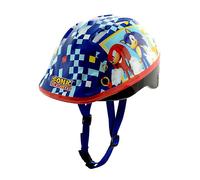


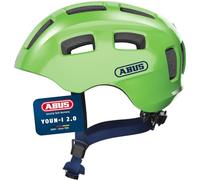

Adjustable kids helmet
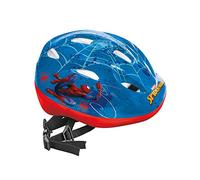
Adjustable helmets are the best value for growing kids. Key features are a dial-fit system, removable padding to fine-tune the fit, and multiple size ranges or multi-position straps. A good adjustable helmet will sit level on the head, not rock forwards or backwards, and can extend the useful life of the helmet across seasons as your child grows.
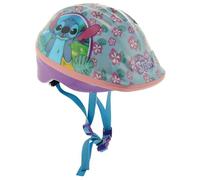
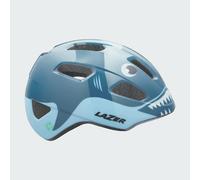
Kids helmet MTB
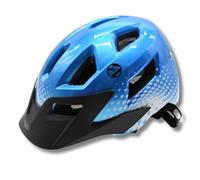
For adventurous children who ride off-road or on trails, a kids MTB (mountain bike) helmet offers extra rear coverage, a robust shell and often a small visor to shield from sun and low branches. These helmets are designed for more aggressive riding and tend to include tougher straps and better crash resistance for rougher terrain.





Kids MIPS bike helmet
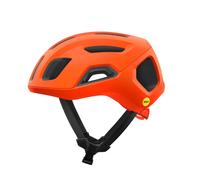
MIPS (Multi-directional Impact Protection System) adds a thin slip layer inside the helmet to reduce rotational forces during angled impacts. For children who cycle frequently, ride at higher speeds, or tackle mixed terrain, choosing a kids MIPS bike helmet can provide extra peace of mind. It’s an increasingly common option in quality kids’ helmets — just ensure the rest of the fit is correct too.


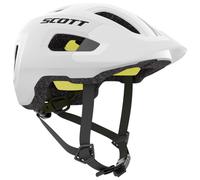
Bike helmet with best ventilation
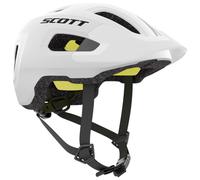
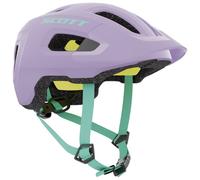
Good ventilation matters for comfort, especially in summer rides and active sessions. Look for helmets with multiple vents and internal air channels that direct airflow over the head, plus moisture-wicking pads to reduce sweat. Well-ventilated helmets can encourage kids to keep them on for longer rides and make helmet-wearing a happier part of their routine.

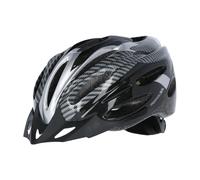
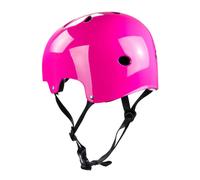
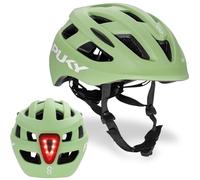
- Check standards: helmets sold in the UK should meet recognised safety standards (EN 1078 / UKCA markings are common). Look for a clear label inside the helmet.
- Fit matters more than features: a poorly fitting helmet can’t protect properly. The helmet should sit level, about two finger-widths above the eyebrows, and straps should form a snug "V" under each ear.
- Replace after impact or every 3–5 years: any significant knock means replace the helmet — shells hide internal damage. Also replace when padding and straps start to wear.
- Visibility counts: high-vis stickers, reflective trims or a small helmet light make rides safer in low light — very useful for UK autumn and winter.
Final tips for seasonal buying
In the UK you’ll want different priorities across the year: choose better ventilation for summer, secure straps and good ear coverage for windy days, and reflective features or an over-helmet cap for darker months. Consider quick-dry liners for rainy seasons and removable ear covers for winter cycling. Above all: involve your child in the selection — let them try colours and designs so they’re proud to wear it.
- Measure head circumference and choose the right shell size.
- Try before you buy: ensure the helmet sits level and doesn’t wobble.
- Adjust the dial and straps so the helmet is snug but comfortable.
- Look for certification (EN 1078 / UKCA) and clear labelling.
- Decide if extras matter: MIPS, visor, extra rear coverage, ventilation.
- Add reflective stickers or a helmet light for low-light rides.
- Plan for replacement after a crash or after 3–5 years of regular use.
Ready to start shopping? Use the quick product blocks above to compare current offers for each helmet type and match them to your child’s age, riding style and the seasons they’ll be out cycling. If you’d like, we can also put together a short buying checklist for your child’s exact head measurement and riding habits — tell us their age and how they ride.
Note: This text was created with the help of AI.
Related topics
How well did the information meet your expectations and assist you further?
 Not at all

 Neutral

 Very much