Balance Bikes and First Pedal Bikes — a simple guide for parents
Getting a child onto two wheels is one of those joyful parenting moments: wobbles, proud grins and sudden independence. In the UK, choosing the right first bike depends on age, height, confidence and the season you plan to ride. This guide gives clear, practical advice on balance bikes and first pedal bikes — plus quick tips for when to shop and what to look for.

AI-generated image. Tool: OpenAI GPT Image
Across this page you’ll find short, focused sections on popular first-bike options — from a balance bike for a 2 year old to 14 inch pedal bikes and even wooden balance bikes. Each section includes a quick-buy results tag so you can compare current offers straight away.
Balance bike for 2 year old
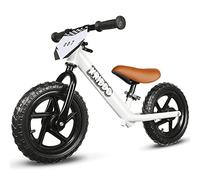
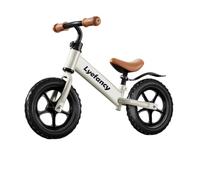
Balance bikes are ideal for very young starters because they teach steering and balance without pedals. For a two-year-old, look for a very low seat, light frame (aluminium or wood), simple footrests and easy-to-use hand brakes only if the child can reach them safely. At this age, short wheelbases and adjustable seats matter most — you want the child to place both feet flat on the ground.



Childrens 12 inch bike
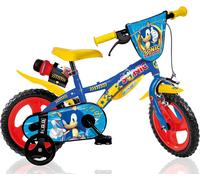
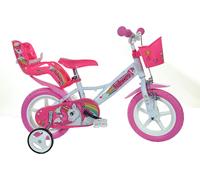
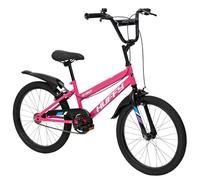
A 12-inch bike is often the first pedal bike choice or a step up from a small balance bike for toddlers aged roughly 2–4 years (depending on height). Many 12-inch models come with removable stabilisers so you can introduce pedals and brakes gradually. If you’re buying second-hand, check the frame for damage and that the brakes and tyres are in good order.


14 inch childs bike
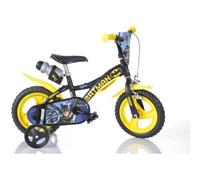
A 14-inch bike suits slightly older or taller children (usually around 3–5 years) and is a common stepping stone before moving to 16-inch models. These bikes often feature coaster brakes or hand brakes, lighter frames and child-friendly gearing. If your child already has good balance, choose a 14-inch pedal bike without stabilisers to encourage independent pedalling sooner.
Wooden balance bikes
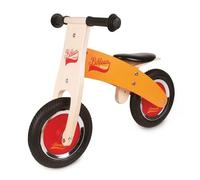
Wooden balance bikes are charming, eco-friendly and can be surprisingly light. They’re great for indoor use or as a sturdy outdoor starter, but check maintenance needs (wood can weather) and ensure the finish is smooth with no splinters. Many wooden models are adjustable, making them a stylish and practical choice if you want something durable and aesthetically pleasing.



Bikes with stabilisers
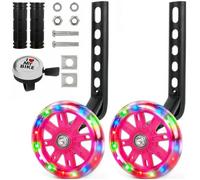
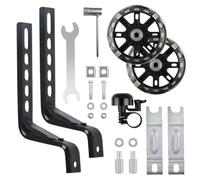
Stabilisers (training wheels) still have a place: they build confidence for children who are anxious or need more time. However, they can delay learning balance if relied on too long. Look for models with easy-to-remove stabilisers and consider pairing them with a balance-bike phase first — this combination often leads to the smoothest transition to independent riding.

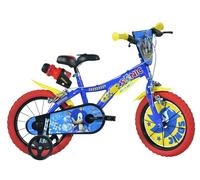
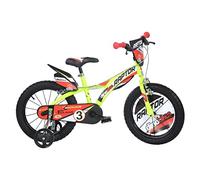
To pick the right wheel size, measure your child’s inside leg (inseam) standing barefoot: have them stand straight against a wall and measure from floor to crotch. Match the inseam to the bike seat height (child should be able to sit and place both feet flat). Rough guidance: 12" wheels suit inseams ~31–43 cm, 14" ~36–46 cm — these ranges vary by model, so always check manufacturer specs.
Seasonal shopping tips for parents in the UK
- Spring and early summer: best time to buy the latest models and get fitted at local bike shops. - Autumn and winter: great for bargains — look out for Black Friday, Boxing Day and January clearance sales. - Consider local second-hand markets (Facebook Marketplace, Gumtree, eBay) for lightly used bikes — they’re often excellent value.
Quick checklist before you buy
- Size and fit: measure inseam and confirm adjustable seat height.
- Weight: lighter bikes are easier for young children to control.
- Brakes: coaster vs hand brake — choose what your child can manage.
- Frame and tyre condition (if second-hand): no cracks, good tread.
- Test ride: always try before you buy if possible for comfort and handling.
- Helmet and protective gear: fit a correctly sized helmet at first ride.
- Easy adjustments: saddle and handlebar adjustability for growth.
Enjoy the ride — helping a child learn to cycle is about patience, encouragement and the right kit. Use this guide as a starting point, compare current offers, and remember local bike shops are excellent for fitting advice and aftercare.


