Pool Heating & Covers
Getting your garden pool summer-ready in the UK means thinking beyond the pump and ladder: the right heater and cover transform a usable pool into a comfortable, extended-season haven. This short guide explains the main heating options and how covers fit into the picture so you can make a confident, time-saving choice when shopping for your garden pool setup.

Why heating and covers matter for UK garden pools
British summers can be short and unpredictable. Effective pool heating lets you enjoy warmer water earlier in spring and later into autumn, while a suitable cover dramatically reduces heat loss and evaporation between swims — cutting running costs and keeping chemical dosing stable. When selecting equipment, balance upfront cost, running cost, environmental impact and how the system integrates with your pool size and usage.
Pool heat pump
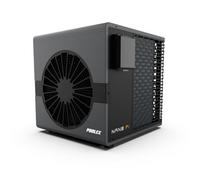
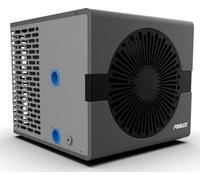
Heat pumps extract heat from the air and transfer it to your pool water. They are the most energy-efficient electric option for UK gardens, delivering far more heat per unit of electricity than a straight electric heater because of their high coefficient of performance (COP). They work best paired with a cover so the warm water stays warm. Ideal if you want sustained, economical heating for seasonal use.

Electric pool heater
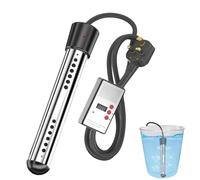
Electric heaters use resistive elements to heat water quickly and are simple to install. They are compact and provide rapid temperature increases, so they’re a good match for occasional or short-notice heating needs (for example, top-ups before a party). The downside is higher running costs compared with heat pumps or solar, so they’re better for smaller pools or intermittent use.


Solar pool heater
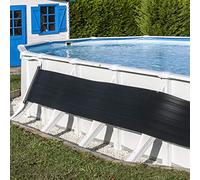
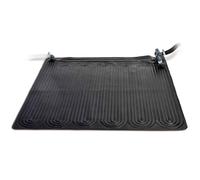
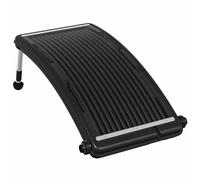
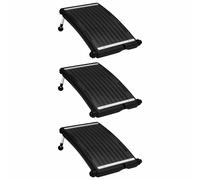
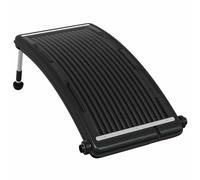
Solar heaters use rooftop or ground-mounted collectors to warm pool water using the sun. They have very low running costs and are a sustainable choice — great for extending warm periods when there’s decent sunlight. In the UK their performance is weather-dependent, and they generally require a larger collector area (often a percentage of pool surface area). Pairing solar with a thermal cover maximises effectiveness.
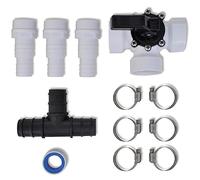

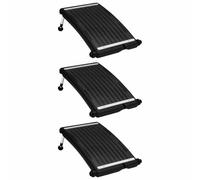
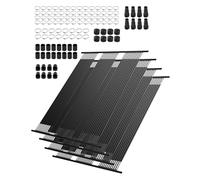
Portable pool water heater
Portable heaters are compact, often plug-in units designed for smaller above-ground pools or temporary setups. They’re convenient if you move location, need a plug-and-play solution, or only heat on rare occasions. They won’t rival the capacity of fixed systems, but they’re affordable and simple to use — useful for quick warm-ups or holiday pools.

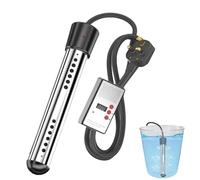

Swimming pool heating system
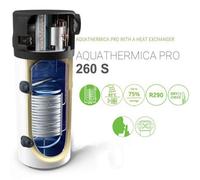
A complete swimming pool heating system can combine components — such as a heat pump, solar collectors, boiler/heat exchanger and a smart controller — to balance performance and cost. Full systems are typically professionally designed to match pool volume, local climate and budget, and include plumbing, valves and automation so heating runs efficiently. Consider a whole-system approach if you want long-term performance and the option to add renewable sources later.
Info
Choosing the right size: match the heater capacity to your pool’s volume and how quickly you want to raise temperature. Always check compatibility with your pool type (inflatable, above-ground, concrete, liner) and remember a good cover reduces the heater size you actually need — saving on both capital and running costs.
Pool covers — the unsung hero
Covers come in several forms: solar bubble covers (cheap, reduce evaporation), insulated thermal blankets (excellent at retaining heat), and safety covers (heavy-duty protection). Any heating investment performs far better when the pool is covered between uses: heat retention increases, evaporation drops, and chemical usage often falls. If budget is tight, a cover gives the biggest efficiency gain per pound spent.
Quick checklist before you buy
- Know your pool volume and desired temperature range.
- Decide how often you’ll heat the pool (daily use vs occasional).
- Prioritise energy efficiency (heat pumps, solar) if you want low running costs.
- Check installation needs and whether professional plumbing/electrics are required.
- Choose a cover type that matches your needs: heat retention, safety, or budget.
- Factor in local climate — solar works well in summer, heat pumps extend the season.
- Consider integrating systems (controller, timers, thermostats) for smarter operation.
Ready to shop? Use the product blocks above to compare top offers for each heating option. Stay tuned to our "Summer-ready pools: shopping guides for UK garden pools" series for deeper dives on installation, maintenance and the best covers for different pool types.
Note: This text was created with the help of AI.
Related topics
How well did the information meet your expectations and assist you further?
 Not at all

 Neutral

 Very much