Summer-ready pools: Pool Cleaning & Water Care
Having a garden pool that’s welcoming, safe and sparkling all summer is as much about smart water care as it is about sun and fun. This guide — part of our "Summer-ready pools: shopping guides for UK garden pools" series — covers the essential cleaning tools and chemicals you’ll need, plus practical tips to keep maintenance quick and effective so you get more time in the water and less time worrying about it.

Quick overview: regular testing, skimming and filtration are your first line of defence. Add targeted chemical treatments only after testing, store chemicals safely out of children’s reach, and follow manufacturer instructions closely.
Pool cleaning kit
A good pool cleaning kit is the backbone of routine maintenance. Look for kits that include a telescopic pole, brush (nylon for vinyl/inflatable pools, stiffer for metal or concrete), vacuum head or manual suction attachment and replaceable filter bags or hoses if you’re connecting to a pump. For smaller UK garden pools, lightweight and compact kits are often best — they’re easy to store and effective for weekly chores.
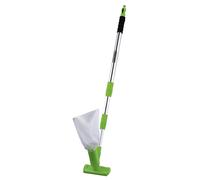
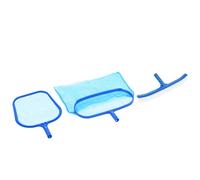

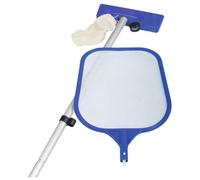
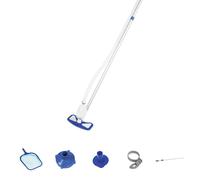
Pool shock treatment
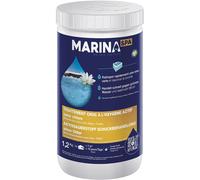
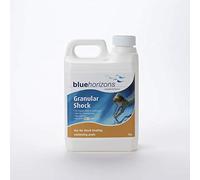
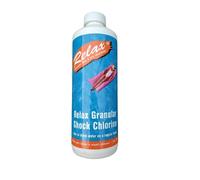
Shock treatment quickly raises free chlorine (or uses non-chlorine oxidisers) to remove contaminants like chloramines that cause cloudy water and smells. Use after heavy use, a rainstorm, algae blooms or if your weekly test shows persistent low chlorine. Choose a product suitable for your pool type (some shocks are stabilised; others are non-chlorine for more gentle oxidising). Always pre-dissolve if instructed, add in the evening and follow dosing instructions carefully.


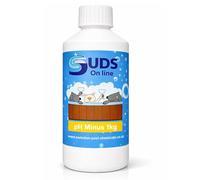
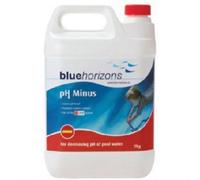
pH reducer (pH minus) for pools
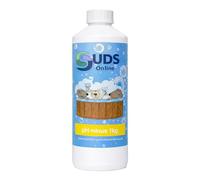
Keeping pH in the ideal UK pool range (about 7.0–7.6, with a target around 7.2–7.4) matters: at the right pH your chlorine works well, the water feels comfortable, and fittings last longer. pH reducers — often sold as “pH minus” or sodium bisulfate — lower high pH. Test first with strips or a kit, add small amounts, and retest after circulation. Keep acid-based reducers stored safely and never mix chemicals.


Chlorine tablets for pool
Chlorine tablets are a convenient, slow-release way to maintain a consistent chlorine residual. They’re usually trichlor tablets and are used in floaters, dispensers or automatic feeders. Consider stabilised versus unstabilised tablets: stabilised tablets contain cyanuric acid (CYA) which protects chlorine from sun but can build up over time — check product guidance for CYA limits. For small garden pools, use a floater and adjust dose according to pool volume and test results.




Pool skimmer net
A simple skimmer net is one of the most satisfying and effective tools you’ll own — daily removal of leaves, insects and debris prevents blockages and reduces filter work. Choose a net with a comfortable telescopic pole and a fine mesh for small debris if you have fine leaves or blossom in your garden. Lightweight, durable frames work best for quick daily passes.




Helpful safety & buying checklist
Always buy pool chemicals from reputable suppliers, check expiry dates, store original labels, and keep chemicals in a cool, dry place away from direct sunlight and out of the reach of children and pets. Never mix chemicals together. If in doubt, follow the manufacturer’s instructions or contact the supplier for dosing guidance for your pool size.
Quick maintenance routine
To keep a UK garden pool summer-ready with minimum fuss: skim daily, run the pump/filtration for several hours per day (longer on hot days), test water at least twice weekly during heavy use, brush and vacuum weekly, and shock or adjust chemicals after heavy use or rain.
Pool care checklist (printable)
- Daily: skim surface debris; check water clarity and floating objects.
- Every 2–3 days: test free chlorine and pH; adjust as necessary.
- Weekly: brush pool walls/floor and vacuum or use suction cleaner; check and clean skimmer basket and filters.
- After heavy use or storms: shock the pool and re-test 24 hours later.
- Monthly: inspect pool equipment, hoses, seals and dispenser; top up stabiliser if using stabilised chlorine (check CYA level).
- Before storing chemicals (off-season): follow local disposal guidance and never store near fertilisers or flammable materials.
Want curated options for the tools and chemicals mentioned? Use the selection blocks above to compare prices and find products that match your pool size and budget.
Note: This text was created with the help of AI.
Related topics
How well did the information meet your expectations and assist you further?
 Not at all

 Neutral

 Very much