Antihistamines, nasal sprays and eye drops for hay fever sufferers
Antihistamines, nasal sprays and eye drops for hay fever sufferers
Pollen season in the UK can turn pleasant spring days into a battle against sneezing, itchy eyes and blocked noses. Online shopping makes it easy to stock up on effective treatments early — but with so many options, it helps to know what each product does, how to choose it, and when to ask a pharmacist or GP for advice.
AI-generated image. Tool: OpenAI GPT Image
This guide covers the main over-the-counter choices — antihistamine tablets, nasal sprays, and eye drops — plus special notes on children’s products and a closer look at cetirizine. Use it to compare product types, pick what suits your symptoms and lifestyle, and shop smarter during pollen season.
Antihistamine tablets
Antihistamine tablets are the go-to first-line treatment for general hay fever symptoms such as sneezing, runny nose and itchy skin. Newer, non-sedating formulas relieve symptoms without the drowsiness associated with older antihistamines, so they’re practical for daytime use. When shopping online, check active ingredients, pack size, and whether the product is suitable for driving or for use with other medicines. If you have other medical conditions or take multiple medications, ask a pharmacist before buying.
Galpharm Treathay Hayfever Relief, Fexofenadine 120mg, 30 Tablets | Hayfever antihistamine, relieves sneezing, blocked or runny nose and itchy, watery eyes, one tablet daily, ages 12+
Nasal sprays come in two main types: steroid sprays (best for long-term control of nasal congestion and inflammation) and antihistamine sprays (faster on symptom relief). Steroid sprays often work best when started before pollen exposure and used daily throughout the season; antihistamine sprays can be useful for quick relief. When ordering online, check whether the spray is suitable for regular use, read instructions on priming and cleaning, and consider travel-friendly sizes if you commute or holiday during the season.
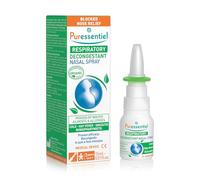
Puressentiel Respiratory Decongestant Nasal Spray 15ml Fast & Natural | Instant Decongestant Action - 100% Natural Formula . Proven efficacy for Colds, flu, hay fever & blocked nose relief.From 3y+
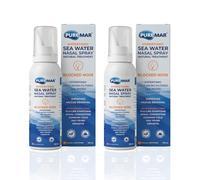
PUREMAR Hypertonic Natural Sea Water Nasal Spray 100ml x 2pcs for Colds, Hay Fever & Blocked Nose Relief
£12.99
Go to shop
Amazon-marketplace.co.uk
Free Delivery
Otrivine Fine Mist Decongestant Nasal Spray, Blocked Nose Relief, 10 ml | Decongestant nasal spray, xylometazoline 0.1%, blocked nose, sinusitis, hay fever, allergic rhinitis, adults and children 12+
£4.25
Go to shop
amazon.co.uk
Free Delivery
PUREMAR Hypertonic Natural Sea Water Nasal Spray 100ml for Colds, Hay Fever & Blocked Nose Relief
£6.99
Go to shop
Amazon-marketplace.co.uk
Free Delivery
Allergy eye drops for itchy watery eyes
Eye drops target the burning, itchy, red and watery symptoms that tablets and sprays don’t always fully control. There are quick-acting antihistamine eye drops for immediate relief and mast cell stabilisers for longer-term control — some products combine both actions. When buying online, check whether a product is suitable for contact lens wearers, the recommended dosing frequency, and whether it’s for short-term relief or daily use during the season.
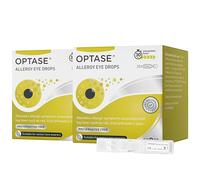
Optase Allergy Eye Drops - Fast-Acting Treatment of Irritated, Itchy, Red & Watery Eyes from Allergies & Hay Fever (2 Pack)
£25.95
Go to shop
Amazon-marketplace.co.uk
Free Delivery
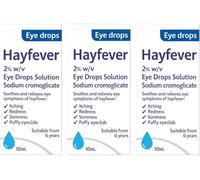
Sodium Cromoglicate 2% Hayfever Eye Drops 10ml Pack of 3 - Non-Drowsy Allergy Relief for Itchy, Red, Watery & Puffy Eyes - for Adults & Children 6+
£23.95
Go to shop
Amazon-marketplace.co.uk
Free Delivery
Murine Hayfever Relief 2% w/v Eye Drops, Hayfever Treatment for Itchy, Red, Sore and Watery Eyes, Anti-Allergy Eye Drops, 10ml
£4.99
Go to shop
amazon.co.uk
Free Delivery
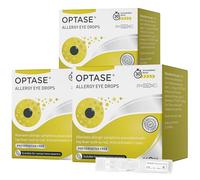
Optase Allergy Eye Drops - Fast-Acting Treatment of Irritated, Itchy, Red & Watery Eyes from Allergies & Hay Fever (3 Pack)
£38.95
Go to shop
Amazon-marketplace.co.uk
Free Delivery
Eye Doctor Hayfever Eye Drops for Itchy Red Allergy Eyes, Isotonic, 10ml | Preservative Free Hay Fever Relief with 1% Helichrysum Extract, Pollen and Pet Dander, Contact Lens Safe, Soothes Redness
£10.92
Go to shop
amazon.co.uk
Free Delivery
Antihistamine tablets for children
Children need age-appropriate formulations and doses — syrups, dissolvable tablets or lower-strength tablets are common. Some antihistamines are licensed from 6 months or 2 years upwards, depending on the product, but dosing varies by age and weight. When buying online, look for clear age-range guidance, measuring devices for liquids, and child-safe packaging. If your child has other health issues, talk to a pharmacist or GP for tailored advice before purchasing.
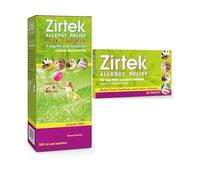
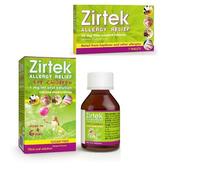
Zirtek Allergy Relief Antihistamine Tablets | 200ml Syrup & 30 Allergy Tablets 10mg| Hayfever, Dust, Pets, and Hives | Cetirizine | Relieve Allergic Symptoms | Adults and Children Over 6 Years
£14.99
Go to shop
Amazon-marketplace.co.uk
Free Delivery
Zirtek Allergy Relief 70ml Syrup and 7 Tablets | Hayfever, Dust, Pets, and Hives | Cetirizine Antihistamine Solution | Kids antihistamine Tablets | for Adults and Children Over 6 Years (Family Pack)
£9.99
Go to shop
Amazon-marketplace.co.uk
Free Delivery
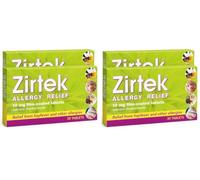
Allergy Relief, Pack of 7 Tablets x 6 | Hayfever, Dust, Pet | Hayfever, Dust, Pets, and Hives | Cetirizine Antihistamine Tablet | Helps Relieve Allergic Symptoms | For Adults and Children Over 6 Years
£16.99
Go to shop
Amazon-marketplace.co.uk
Free Delivery
Zirtek hayfever Tablets | Allergy Relief Cetirizine Antihistamine Tablets | 60 Allergy Tablets 10mg | 24 Hour Relief for Hayfever Dust Pets Runny Nose & Hives | Adults and Children Over 6 (Pack of 2)
£17.80
Go to shop
Amazon-marketplace.co.uk
Free Delivery
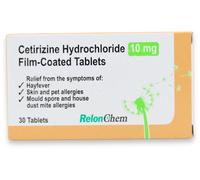
Vividrin Allergy Relief Tablets, Antihistamine, 30 Tablets | Bausch + Lomb, Cetirizine 10mg, Hayfever, Sore and Itchy Eyes, Pet and Skin Allergies, Suitable for Adults and Kids 6+
£6.03
Go to shop
amazon.co.uk
Free Delivery
Cetirizine
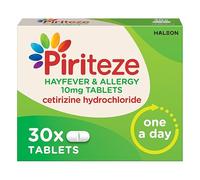
Cetirizine is one of the most widely used second-generation antihistamines in the UK. It’s typically taken once daily and is effective for sneezing, runny nose and itchy eyes or skin. Many people find cetirizine works quickly and reliably; however, a small proportion may experience mild drowsiness, so try it first when you don’t need to drive or operate machinery. When shopping online, you can choose branded or generic cetirizine, vary pack sizes and select dosage forms such as tablets or liquid for children.
Zirtek Allergy Relief 200 ml Syrup | Hayfever, Dust, Pets, and Hives | Cetirizine Antihistamine Solution | Helps Relieve Allergic Symptoms |antihistamine for Adults and Children Over 6 Years
£9.99
Go to shop
Amazon-marketplace.co.uk
Free Delivery
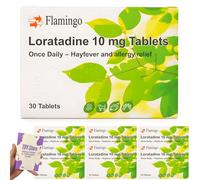
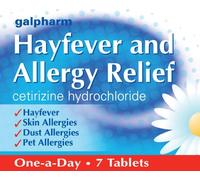
Galpharm Cetirizine Hayfever and Allergy Relief Tablets - Pack of 7
Helpful tip: For best results, start preventive treatment before pollen counts rise — many people benefit from taking a daily non-sedating antihistamine and a steroid nasal spray throughout the high season. If symptoms are severe, combining a nasal steroid with an antihistamine tablet and eye drops often gives better control than any single product alone. Always check interactions and suitability if you have other conditions.
Quick online shopping checklist for pollen season
Identify your main symptoms (nose, eyes, skin) and prioritise products accordingly.
Check active ingredients and choose non-sedating antihistamines if you need to stay alert.
For nasal congestion, consider a steroid nasal spray for daily control.
Make sure children’s products are clearly labelled for age/weight and include dosing devices.
Read customer reviews, compare pack sizes and prices, and look for multi-buy or subscription savings.
Check delivery times and order early — supply can be limited at peak season.
If symptoms are severe, persistent or associated with breathing difficulty, contact your GP or NHS 111.
Ready to shop? Use the product blocks above to compare offers and pick the right items for your household. If you’re unsure, a local pharmacist can help you choose the best combination for your specific symptoms.
How well did the information meet your expectations and assist you further?
Not at allNeutralVery much
Thank you very much for your feedback!
Update information
On Pricehunter.co.uk prices are updated within minutes of a shop informing us of a change in their product
catalogue. Next to each price on our pages you will find a date and time corresponding to the last price update.
We regularly check our merchant's prices but please be aware that between your visit to our page and that of the
shop a product price may have been updated.