Hypoallergenic bedding and mattress protectors for hay fever sufferers
Pollen season in the UK can turn your bedroom — the place you expect most relief — into a source of sniffles and sleepless nights. This short guide sits under our main topic "Online Shopping Guide for Pollen Season in the UK" and will help you choose bedding and mattress protection that reduces exposure to pollen, dust mites and other triggers so you can shop online with confidence.

Good bedding doesn’t have to be complicated. The right fabrics, a mattress barrier and easy-to-wash designs make a big difference for hay fever sufferers: they trap or repel allergens, survive regular hot washes, and keep your bed feeling fresh. Below are the key products to consider when you shop online, with practical notes on features, materials and what to look for specifically in the UK market.
Hypoallergenic bedding set
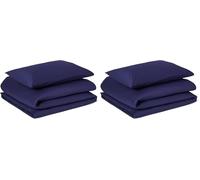
A hypoallergenic bedding set generally includes a duvet cover and pillowcases made from tightly woven fabrics that resist dust and pollen. For hay fever sufferers, look for smooth, tightly woven cottons, Tencel/Lyocell or high-quality microfiber — all are breathable and comfortable while limiting allergen transfer. Check product descriptions for OEKO-TEX certification (free from many harmful substances) and clear washing instructions (ideally machine-washable at 60°C).
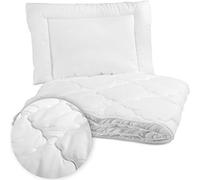
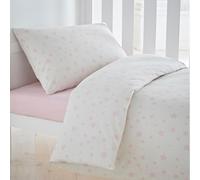

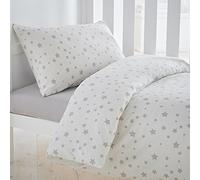

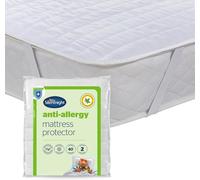
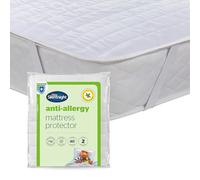
Anti-allergy mattress protector
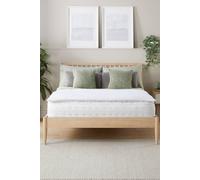
Mattress protectors designed for allergies should form a full barrier between you and the mattress. Zipped encasements that fully enclose the mattress are best because they block dust mites, pollen and pet dander. Look for breathable, waterproof layers that still allow airflow (polyurethane membrane or breathable laminates) and a cover you can wash at high temperatures. Check for a snug fit and UK-size compatibility, and read reviews about how quiet the protector is in use (some waterproof types can be noisy).
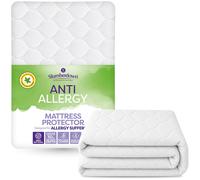

Allergy pillow with zip cover
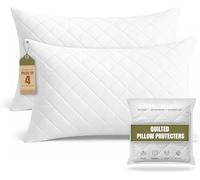
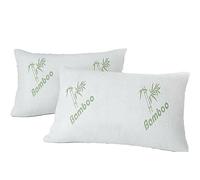
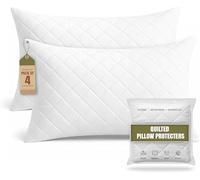
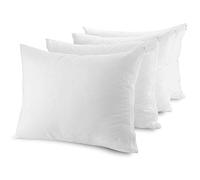
Pillows are a common trap for dust mites. An allergy pillow with a zip cover — ideally a fully encasing zipped protector — creates a sealed barrier so allergens can’t collect in the filling. Choose hypoallergenic fillings such as anti-allergy synthetic fibres, microfiber, or Tencel if you want natural-feeling options. Ensure the zip cover fabric is soft, washable and rated for hot washes; removable covers make maintenance simpler and more effective.

Best duvet hypoallergenic
“Best duvet hypoallergenic” is a useful search when comparing fillings and tog ratings. Synthetic duvets (hollowfibre, microfiber) are widely recommended for allergy sufferers because they naturally resist mite colonisation and are machine-washable. If you want lightweight warmth, look at microfiber fillings; for higher tog ratings, consider specialist anti-allergy hollowfibre duvets. Pay attention to washing instructions — the best choices allow regular hot washing and tumble drying without losing loft.
Organic cotton duvet
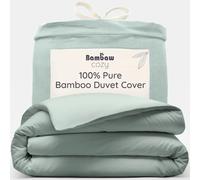
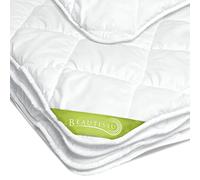
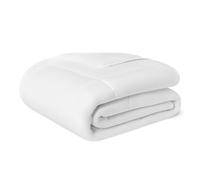
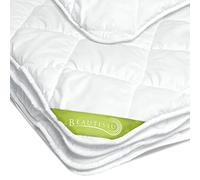
An organic cotton duvet is appealing for people who prefer natural fibres and reduced chemical exposure. Organic cotton covers (and organic fillings where available) are produced without harsh pesticides and often come with reputable certifications (GOTS, for example). For allergy sufferers, choose organic cotton with tight stitching and verify that the filling is either naturally hypoallergenic or treated to resist mites — and check that it is washable at temperatures effective against dust mites.



Practical online shopping tips for the UK
- Check measurements and UK size charts (Single/Double/King/Super King) before you buy — sizes can vary between brands.
- Look for clear wash and care instructions — ability to wash at 60°C is a major plus for mite control.
- Search for certifications: OEKO-TEX, GOTS (for organic), and endorsements from Allergy UK where available.
- Read real-customer reviews about breathability, noise (for waterproof protectors), and long-term performance.
- Compare returns, delivery times and trial periods — especially important for pillows and duvets where comfort is personal.
Quick maintenance tips
Regular care keeps bedding allergy-friendly: wash covers and bedding at least monthly during pollen season, use a hot cycle where fabrics allow (aim for 60°C), tumble-dry or dry thoroughly to remove moisture, and vacuum mattresses regularly. On high pollen days keep windows closed and consider a HEPA air purifier in the bedroom.
Why investing in the right bedding matters
Small changes — a zipped encasement, a washable duvet, a tightly woven pillowcase — can substantially reduce nightly symptoms. When shopping online, use focused searches, compare the top allergy-friendly options, and prioritise washability and certifications. This guide is the first of several articles under our "Online Shopping Guide for Pollen Season in the UK"; check back for deep dives into air purifiers, vacuum cleaners with HEPA filters, and seasonal cleaning routines.
Checklist — buying and caring for hypoallergenic bedding
- Confirm product sizes match your bed (check the retailer’s size guide).
- Choose materials with tight weaves or approved hypoallergenic fillings.
- Verify wash temperature and that covers are removable and machine-washable.
- Prefer zipped, full-encasing mattress and pillow protectors for best barrier protection.
- Look for OEKO-TEX, GOTS or Allergy UK marks where relevant.
- Check delivery, returns and trial periods for comfort-focused items (pillows, duvets).
- Plan a maintenance routine: monthly washes during pollen season and regular airing/vacuuming.
Note: This text was created with the help of AI.
Related topics
How well did the information meet your expectations and assist you further?
 Not at all

 Neutral

 Very much