Humidifiers and cool-mist units for hay fever sufferers — an Online Shopping Guide for Pollen Season in the UK
Hay fever season can make life feel like one long sniffle — but the right indoor air devices can help you manage symptoms at home. Humidifiers and cool-mist units won't stop pollen getting into your house, but they can keep nasal passages moist, ease throat irritation and, when paired with the right filters or dehumidifiers, help reduce triggers such as mould and dust mites. This shopping guide gives a clear, practical overview so you can choose devices that actually help during pollen season.

Quick note: if you have severe allergy symptoms, asthma or chronic respiratory conditions, check with your GP before changing your indoor environment. Use devices as part of a wider pollen-season strategy: keep windows closed during high pollen counts, change clothes after being outside and consider an air purifier with HEPA filtration for pollen removal.
How humidifiers and cool-mist units help (and what they don't do)
Humidifiers add moisture to dry indoor air, which can soothe irritated nasal passages and reduce the scratchy throat feeling that often accompanies hay fever. Cool-mist units are popular because they don’t use heat (safer around children and pets) and they disperse a fine mist that can feel soothing. However, humidifiers do not filter out pollen — for that you need a HEPA air purifier or careful entry-room routines. Also, too much humidity encourages mould and dust mites, so aim to keep indoor relative humidity around 40–50% (certainly between 30–60%).
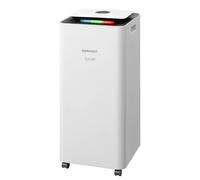
Dehumidifier with carbon filter
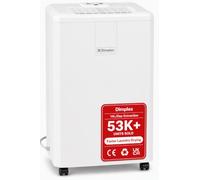
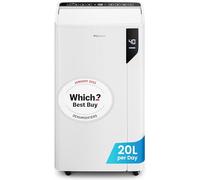
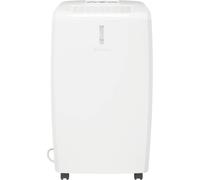
Dehumidifiers remove excess moisture from the air, which reduces mould growth and dust mite populations — both important for allergy sufferers. Models with an activated carbon filter add a basic layer of odour and some VOC removal, plus they can trap larger particles. If your home is prone to damp (cold walls, condensation, smell of mildew), a dehumidifier with a carbon filter can be a good investment to reduce moisture-driven triggers during pollen season.
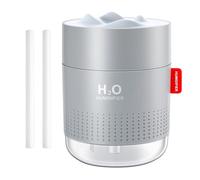
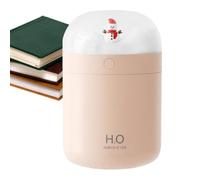
Cool mist humidifier
Cool-mist humidifiers disperse water as a fine, cool mist (via ultrasonic or evaporative technology). They’re energy-efficient, generally safe to use near children and provide gentle relief for dry nose and throat. Choose a model with easy-to-clean tanks and, if you’re worried about microbes, consider one with antibacterial features or that supports regular filter replacement. Keep humidity monitoring in mind so you don’t overdo it.
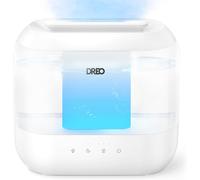
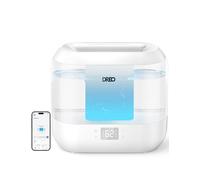

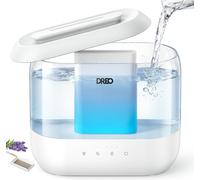
Humidifier with humidistat
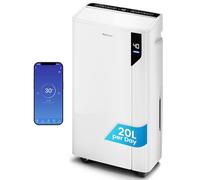
Humidifiers with built-in humidistats let you set a target humidity and the unit will auto-regulate to maintain it. This feature is especially useful for hay fever sufferers because it prevents over-humidifying — helping you stay in the safe 40–50% range that soothes mucous membranes without encouraging mould. Look for reliable sensors and simple digital controls for accurate, hands-off operation.

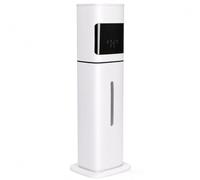

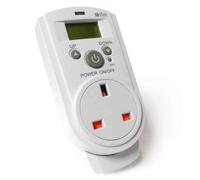

Quiet dehumidifier for bedroom
Bedroom units designed to be quiet are measured in decibels (dB); anything under 40 dB is generally pleasant for most people to sleep beside. A quiet dehumidifier can help reduce night-time mould and dust mite activity that can exacerbate allergy symptoms. When shopping, check night‑mode or low‑fan settings, size the unit correctly for your room, and confirm it has low vibration and a night-friendly LED or display dimming.


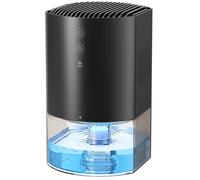
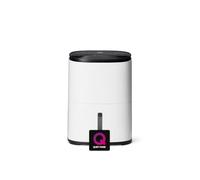
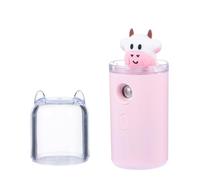
Small room humidifier
Small room humidifiers are ideal for bedrooms, nurseries or home offices. They tend to have smaller tanks and shorter run times but are compact, easy to move and often cheaper to run. For hay fever, a small unit by the bedside can keep your air comfortably moist overnight. Choose an easy-to-fill design, replaceable or washable filters (if applicable), and check the output rate (ml/hour) so you know how long it will run between refills.
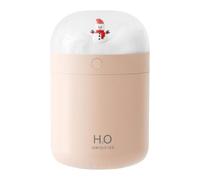
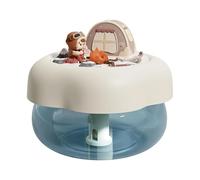
Info box — Combine technologies for best results
For pollen season, the most effective home setup is often a combination: a HEPA air purifier to capture pollen and fine particles, a cool-mist humidifier (with a humidistat) to keep air comfortably moist, and a dehumidifier for damp rooms where mould is a risk. Regular cleaning and filter changes are as important as choosing the right device.
Practical buying and use tips
- Check room coverage: match the device’s rated room size to the space you’ll use it in.
- Look for easy cleaning: removable tanks, wide openings and dishwasher-safe parts reduce mould risk.
- Filters and running costs: price of replacement filters, water type (distilled vs tap) and energy use matter over a season.
- Noise: check dB ratings if you plan to use the unit in a bedroom.
- Materials and safety: BPA-free plastics and tip-over protection are useful features, especially around children.
- Climate fit: if your home is damp, prioritise a dehumidifier; if air is very dry (centrally heated homes), a humidifier may help more.
Quick checklist before you buy
- Do I need to add moisture (humidifier) or remove it (dehumidifier)?
- Is the unit sized for the room I’ll use it in?
- Does it have a humidistat or automatic controls to avoid overuse?
- Are filters (HEPA/carbon) available and affordable?
- Can I clean and maintain the unit easily to prevent mould?
- Is noise level acceptable for bedroom use?
- Will I combine this with a HEPA air purifier for pollen removal?
- If I have severe allergies or asthma, have I checked with a healthcare professional?
Want more buying guidance for pollen season? Browse our wider Online Shopping Guide for Pollen Season in the UK for product roundups, seasonal tips and device comparisons to help you create the most comfortable home this spring and summer.
Note: This text was created with the help of AI.
Related topics
How well did the information meet your expectations and assist you further?
 Not at all

 Neutral

 Very much