Big Travel Backpacks
Big travel backpacks are the go-to choice for long trips, multi-season adventures and travellers who want to move light without sacrificing what they need. This guide sits under our main series "Travelling with luggage - Buying guide" and gives you the essentials for choosing a large pack that fits your trip, your back and your budget.

Choosing the right large backpack is about more than raw litres. Think about trip length, what you actually carry (clothing vs technical kit), whether you'll need a laptop or camera protection, and how much time you'll spend on your feet. Below we break down common big-backpack options and what to expect from each size and style.
How to think about capacity and fit
Capacity: as a rough rule of thumb, 40–50L suits week-long trips, 60–75L is ideal for longer travel or cold-weather layering, and 75L+ is for expeditions, long-term travel with lots of gear, or when you need bulky items (sleeping bags, tents). Fit matters more than size: measure your torso length, check hip-belt fit and try a loaded demo if possible. A well-fitted 65L will feel better than an ill-fitting 75L.
Construction and weight: look for a balance between lightweight materials and durability. Internal frames and padded hip belts transfer weight into your hips and make heavier loads manageable. Also consider features like a detachable daypack, front panel access, compression straps, and a rain cover.
Product snapshots
70l backpack travel
A 70L travel backpack is a versatile option for travellers heading overseas for several weeks or months. It gives you space for layered clothing, shoes and extras like a compact tent, while still being packable if you need to compress the load. These packs often include robust hip belts, multiple access points (top and front) and external lash points for bulky gear.
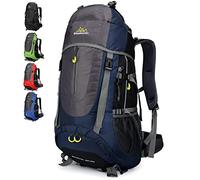
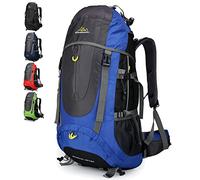
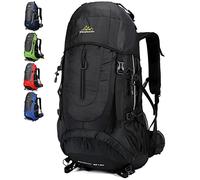
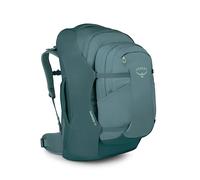
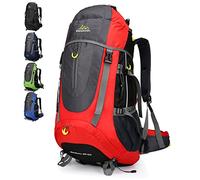
65 litre travel backpack
The 65 litre travel backpack is one of the most popular large sizes because it hits a practical sweet spot: big enough for extended trips, but generally easier to carry and lighter than the very largest models. It works well for mixed travel (city and trail) and is a favourite for travellers who want one pack for multi-month trips without permanently checking huge luggage.

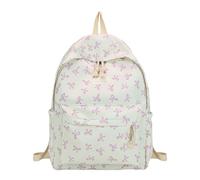
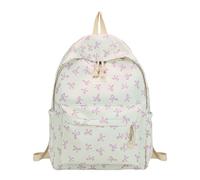


Lightweight backpack for travel
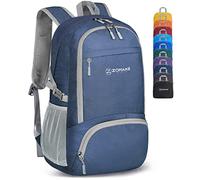
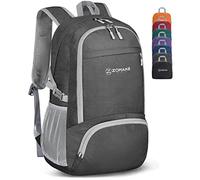
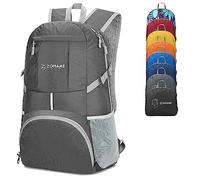
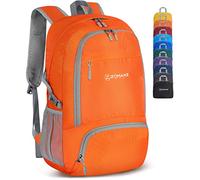
Lightweight travel backpacks prioritise low tare weight so you can carry more usable gear without extra strain. Expect minimal padding and sleeker frames; some are frameless or use ultralight alloys. They’re great if you’re comfortable packing carefully and don’t need heavy structure, but remember that lighter materials can be less abrasion-resistant and may transfer more load to your shoulders.
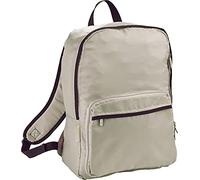
Large backpack with laptop compartment
If you travel with a laptop, look for large backpacks that include a padded, accessible laptop compartment—ideally with TSA-friendly lay-flat design. These packs combine travel-friendly organisation (separate clean/dirty pockets, document sleeves) with the capacity for clothes and gear. They’re the best choice for digital nomads, students on long exchanges and working travellers.
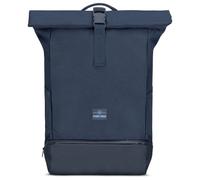
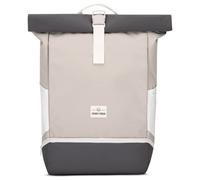
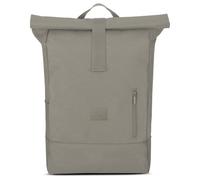
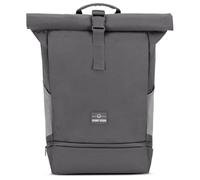
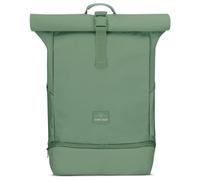
75l travel backpack
A 75L travel backpack is for big loads: cold-weather trips, multiple people sharing gear, or season-long travel where you want everything in one bag. Expect robust frames, ample external attachment points and higher weight capacity. These packs are superb for expedition-style travel but can be bulky for frequent transfers—consider detachable daypacks to improve daily usability.

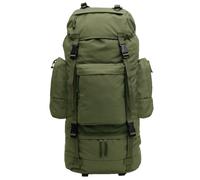
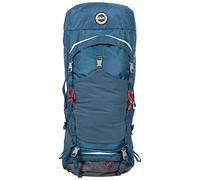
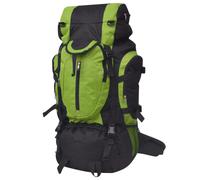
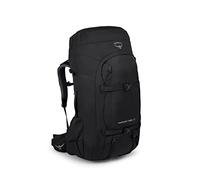
Helpful tip:
When testing a big backpack in store, always load it with the weight you expect to carry (or use sandbags). Walk around for 10–15 minutes to check comfort, hip-belt stability and strap rubbing. Pay attention to how the pack sits when fully loaded—shoulders should be relaxed, and most weight should ride on the hips.
Buying checklist
- Trip length and type: match capacity to the trip (60–75L for extended travel; 75L+ for expedition/expensive bulky gear).
- Try before you buy: measure torso length, test with weight and check hip-belt fit.
- Frame type: internal frame for load support; frameless for ultralight needs.
- Materials and durability: ripstop nylon, reinforced base and quality zips matter.
- Access and organisation: top lid + front panel access, compression straps and internal dividers aid packing.
- Carry-on rules and transfers: know airline checked/hand-luggage limits—large packs usually need checking.
- Extras: rain cover, detachable daypack, lockable zips and laptop compartment if needed.
- Packed weight target: aim to keep your total pack weight comfortable—ideally under 20–25% of your body weight for long periods on foot.
- Warranty and repairability: choose brands with good support and replacement parts if you travel often.
A large travel backpack is an investment in comfort and convenience on long trips. Use the guidance above to narrow choices and then compare models by trying them loaded. When in doubt, choose fit and support over an extra 5–10 litres—your back will thank you.
Note: This text was created with the help of AI.
Related topics
How well did the information meet your expectations and assist you further?
 Not at all

 Neutral

 Very much