Carry-on luggage - Small suitcases for air travel
Choosing the right carry-on can turn the stress of airport travel into a smooth, energising start to your trip. In this guide we cover the essentials of small suitcases for air travel so you can pick a cabin bag that fits your needs, saves time at the gate and keeps your belongings safe. This article is part of our larger series "Travelling with luggage - Buying guide", where we'll go deeper into packing strategies, checked baggage choices and accessories in other posts.

Why a good carry-on matters
A well-chosen carry-on saves you money, avoids baggage waits and keeps valuables within reach. Airlines are strict about cabin size and weight, so understanding common limits and the features that make a small suitcase practical will help you travel lighter and smarter.
Key things to consider before buying
- Airline size and weight rules — check your airline's cabin allowance before you buy (dimensions and weight limits vary).
- Actual internal capacity — some bags look big but have thick shells or bulky frames that reduce packing space.
- Weight of the empty bag — lower tare weight means more allowance for your items, especially on strict carriers.
- Wheels and mobility — spinners are easier to manoeuvre in busy terminals; two-wheelers pull better on uneven surfaces.
- Durability and warranty — a good warranty and tough materials pay off after frequent use.
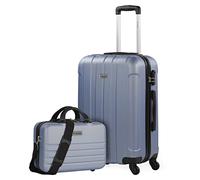
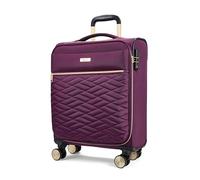
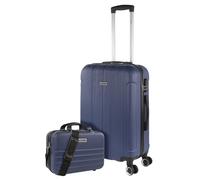
Small suitcase 55x40x20
The 55x40x20 cm size is commonly accepted on many European airlines and is a great starting point if you want to guarantee your bag goes in the overhead without extra fees. This compact footprint forces efficient packing and fits most overhead bins, but double-check your carrier's policy — some low-cost airlines enforce stricter limits.


Best lightweight cabin luggage
If you travel frequently or on airlines with low weight allowances, lightweight cabin luggage is essential. Look for minimalist frames, thin but strong shell materials (like polycarbonate blends) and simple internal dividers to shave off kilos without sacrificing structure. A lighter bag also makes short trips more comfortable and saves potential excess-baggage charges.
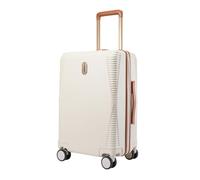

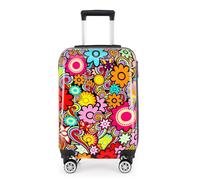
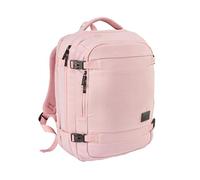
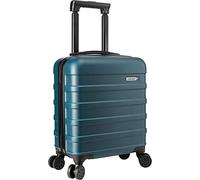
Cabin luggage hard shell
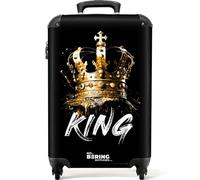
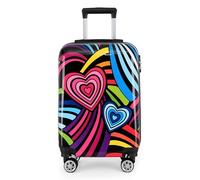
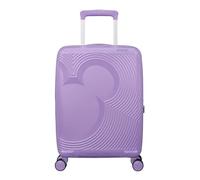
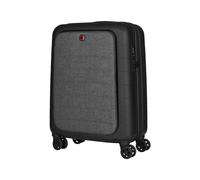
Hard-shell cabin cases offer superior protection for fragile items and often come with water-resistant exteriors that withstand spills and rain. They tend to hold their shape well and glide through busy airports cleanly, but can be slightly heavier and less compressible than soft designs. Consider a hard shell if you carry electronics, souvenirs or camera gear.
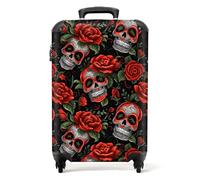


Soft shell cabin bag
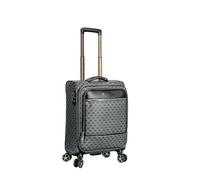
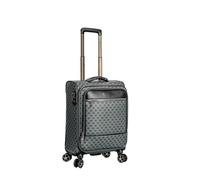
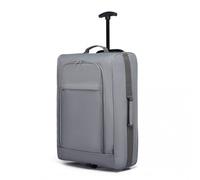
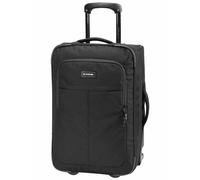
Soft-shell cabin bags are typically lighter and more flexible, allowing you to squeeze them into tighter spaces. They often have external pockets for quick access to boarding passes, snacks or a light jacket. Choose durable fabrics and reinforced corners to avoid premature wear — soft bags are ideal for travellers who prioritise flexibility and external storage.
Carry on suitcase with laptop compartment
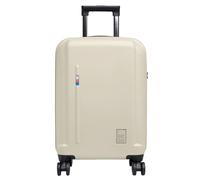
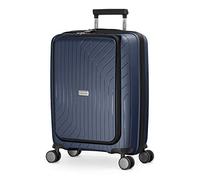
For business travellers and digital nomads a dedicated laptop compartment is a game-changer. Look for padded, TSA-friendly compartments that allow you to remove your device quickly at security (if required) and a layout that keeps the laptop separate from liquids and chargers. Balance security, access and padding when comparing models.


Packing tips for maximising a small suitcase
- Roll clothes or use compression cubes to increase usable space and keep items organised.
- Keep liquids in a transparent, resealable bag and place them near the top for easy access at security.
- Wear bulkier items on the plane (boots, jackets) to save cabin space.
- Use shoe bags or separate compartments to protect clean clothes from dirt.
- Keep a lightweight tote or collapsible bag inside your carry-on for day trips or extra purchases.
Info box — Quick airline size guide
Many European carriers accept 55x40x20 cm as standard cabin size, but some budget airlines impose smaller limits (usually around 50x40x20 cm) or strict weight caps (7–10 kg). Transatlantic flights often allow slightly larger or heavier cabin bags, but checked bag fees and gate-checked policies can change. Always check your specific airline’s rules before you travel.
Final thoughts
Choosing the right carry-on is a balance of size, weight, durability and convenience. Think about how you travel: do you prioritise protection, mobility, or low weight? Match those priorities to the bag type — hard shell for protection, soft shell for flexibility, lightweight designs for strict weight limits, and specialised compartments for gadgets. A good carry-on will streamline your journey and help you focus on enjoying the trip.
Carry-on purchase checklist
- Confirm your airline's cabin dimensions and weight allowance.
- Decide between hard shell (protection) and soft shell (flexibility).
- Weigh the empty bag — choose lighter materials if you travel often.
- Check wheel type and handle quality for easy manoeuvring.
- Look for useful features: laptop compartment, external pockets, TSA lock.
- Read warranty and user reviews for real-world durability insights.
- Measure internal capacity to ensure it fits your packing style.
Note: This text was created with the help of AI.
Related topics
How well did the information meet your expectations and assist you further?
 Not at all

 Neutral

 Very much