Hiking & Trekking Backpacks/Daypacks — a short guide for travelling with luggage
Choosing the right hiking or trekking backpack is a smart part of any travel packing plan. Whether you’re hiking across a national park, trekking between hostels or just exploring a new city on foot, the right pack keeps your gear organised, comfortable and accessible. In this guide we cover the most popular types — from everyday daypacks to ultralight trekking packs — and explain how each fits into the bigger picture of “Travelling with luggage - Buying guide”. Use this as a quick primer before you dive into product comparisons and prices.

35 litre hiking backpack
A 35 litre hiking backpack is one of the most versatile sizes for travellers who want to combine day hikes with overnight stays. It’s large enough for a weekend’s worth of clothing, a lightweight sleeping bag or extra layers, while still being compact enough to use as carry-on luggage on many airlines. Look for models with a comfortable hip belt, adjustable back length and multiple pockets to separate wet and dry items. A well-designed 35 L pack can serve as your primary bag for short trips or as a robust carry-on for longer journeys.
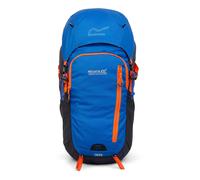
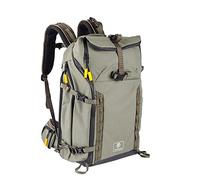

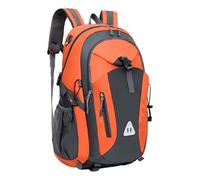
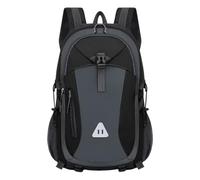
20 litre daypack
For day trips, city sightseeing and short nature walks, a 20 litre daypack hits the sweet spot. It’s light, easy to stow and big enough for a water bottle, a jacket, camera and snacks. Many daypacks now include laptop sleeves or hydration bladder compatibility, which makes them ideal for travellers who blend work with adventure. If you plan to use the bag on public transport or as a personal item on flights, choose one with theft-deterrent features like lockable zips or hidden pockets.
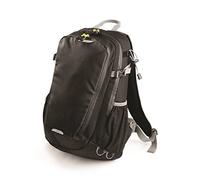
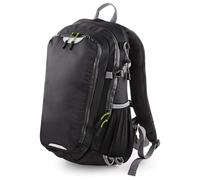

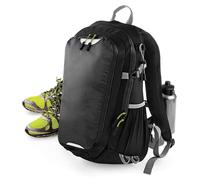
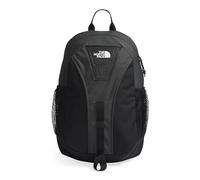
Waterproof small hiking backpack
If you expect rain, river crossings or high-humidity environments, a waterproof small hiking backpack protects your essentials and simplifies packing. There are two main approaches: fully waterproof roll-top packs made from coated fabrics and seam-taped construction, or water-resistant packs that pair with a lightweight rain cover. For travelling, a small waterproof pack is perfect for ferry trips, coastal walks and unpredictable weather — just check the waterproof rating and zipper/seam construction before you buy.
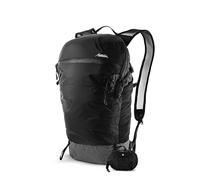
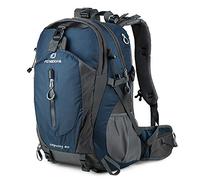
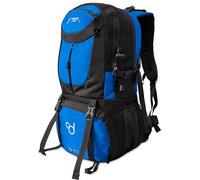

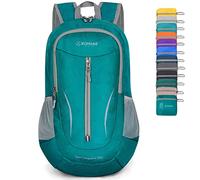
Women hiking backpacks
Women-specific hiking backpacks are cut to fit female body shapes: narrower shoulders, different torso lengths and hip-belt curves. This translates to better weight distribution, improved comfort over long distances and less chafing. Many brands offer adjustable suspension systems and multiple sizes. When choosing a women’s pack for travel, prioritise a good fit (try before you buy if possible), comfortable padding and a stable hip belt — these features make a big difference on multi-day walks or when carrying heavier loads.
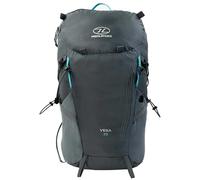

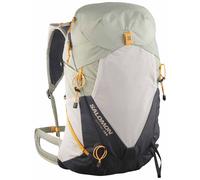


Ultralight trekking backpack
Ultralight trekking backpacks strip away non-essential features to keep pack weight to a minimum, which matters most on long-distance trails and multi-day treks where every gram counts. Materials are lighter, frames are minimalist or absent, and pockets are pared back. These packs are best for experienced travellers who can balance gear choices and accept fewer comfort features. If you travel with strict weight limits (backpacking flights, long treks), an ultralight pack can transform your trip — but be honest about how much gear you’ll actually need.
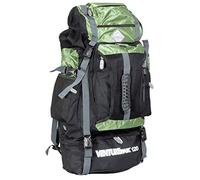

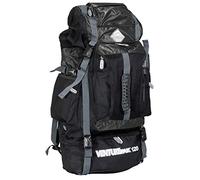
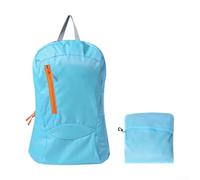
Helpful tip:
Fit is everything. A perfectly organised but poorly fitting backpack will make travel uncomfortable and can cause injury. When possible, try on backpacks loaded with weight similar to what you’ll carry. Check shoulder strap fit, hip belt sit, back length and ventilation. For travel-focused hikers, also consider how the pack will behave as carry-on luggage and whether it has travel-friendly features like quick-access front pockets or a laptop sleeve.
Quick checklist before you buy
- Capacity: choose 20 L for day use, ~35 L for weekend travel, 40–65 L for extended trekking.
- Fit: match back length and hip belt sizing; test with a loaded pack if possible.
- Weight vs. features: ultralight is great for endurance, but less forgiving for novices.
- Weather protection: waterproof materials or a rain cover depending on climate.
- Organisation: pockets, hydration compatibility and access points matter for travel convenience.
- Amenities: hip-belt pockets, compression straps and removable lids can be handy.
- Airline & transport rules: measure the pack to ensure it fits carry-on or personal item limits.
If you’d like, I can now help you compare specific models in any of these categories or create a short packing list tailored to the type of trip you’re planning.
Note: This text was created with the help of AI.
Related topics
How well did the information meet your expectations and assist you further?
 Not at all

 Neutral

 Very much