Home heating and electric heaters — Winter Sale 2026 in the UK
Winter Sale 2026 is a great moment to revisit how you heat your home — whether you're topping up a room for a chilly evening, replacing an old heater, or looking for a cost-effective backup to your central heating. Electric heaters come in many shapes and sizes: each type has strengths for different rooms, budgets and running-cost priorities. Plan ahead, compare features and snag seasonal deals to get the best value while staying warm.

AI-generated image. Tool: OpenAI GPT Image
How to choose the right electric heater
Start by matching the heater to the room size and usage pattern. Consider power (watts or kW), control features (thermostat, timer, eco modes), safety (tip-over and overheat cut-outs), portability and any installation needs. During the Winter Sale look for warranties, smart controls and energy-saving modes — these add value even if the headline price looks similar across models.
Oil-filled radiator
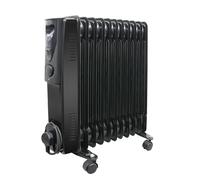
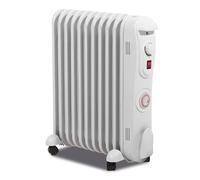
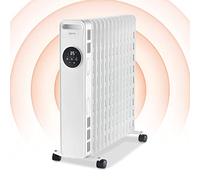
An oil-filled radiator is a popular choice for longer, steady heating. It warms the oil inside a sealed column and radiates heat steadily even after switching off, making it efficient for sustained use in bedrooms, living rooms or offices. Pros: quiet, retains heat, low maintenance and safe to leave on for longer periods. Cons: slower to heat up than fan devices and heavier to move. Typical use: medium to large rooms where you want stable background warmth. Look for models with programmable timers and built-in thermostats to reduce running time.

![7/9/11 Fin Portable Electric Oil Filled Heat Radiator Caravan Home Garage Heater [EEK: A++]](https://cdn.pricehunter.co.uk/offer/en/7-9-11-fin-portable-electric-oil-filled-heat-radiator-caravan-home-garage-heater-200t180a3533ae38c07819a6b34c110b570e806d9603287.jpg)
Electric convector heater
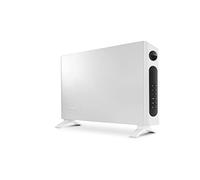
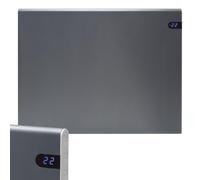
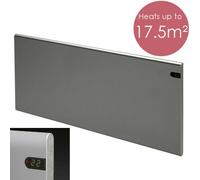
Convector heaters heat air and rely on natural convection to circulate warmth around a room. They heat up faster than oil-filled radiators and are good for quick top-ups in kitchens, small living spaces or hallways. Pros: fast warm-up, slim wall-mount and freestanding options. Cons: can be draft-sensitive and less effective in poorly insulated rooms. Typical use: short-to-medium sessions or spaces where rapid temperature increase is needed. During sales, prioritise models with thermostats and timers to avoid wasted energy.


Portable fan heater
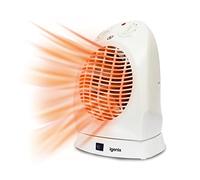
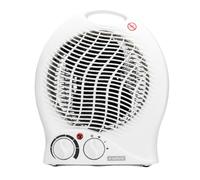
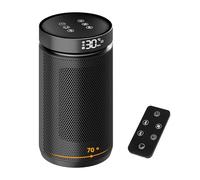
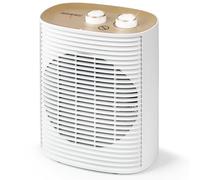
Portable fan heaters deliver heat quickly using a fan to push warm air into the room. They’re compact and great for spot heating — ideal if you only need warmth for a short time or in a single spot (desk, bathroom, small bedroom). Pros: very quick to warm, lightweight and cheap to buy. Cons: noisy, high running costs if used for long periods, and not recommended for continuous heating. Typical use: short bursts (e.g., 10–60 minutes). In sales look for models with variable power settings and safety cut-outs.

Infrared panel heater
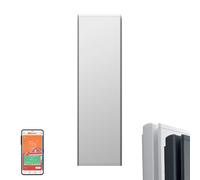
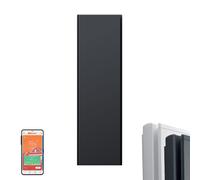
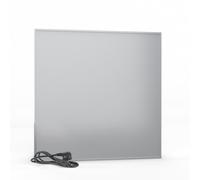
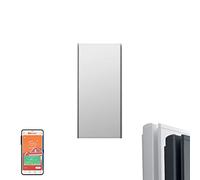
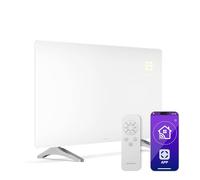
Infrared panel heaters warm objects and people directly rather than heating the air, similar to how the sun feels warm on your skin. They’re efficient for conservatories, patios (with suitable IP rating) or rooms where you want targeted, instant warmth. Pros: immediate sensation of warmth, quiet operation, often slim and wall-mountable. Cons: limited reach — not ideal for whole-house heating. Typical use: focused heating (home office, dining area) and outdoor-covered spaces with the correct IP/Rated model. When buying in the Winter Sale, check mounting hardware and whether the unit has a thermostat or remote control.
Electric blanket
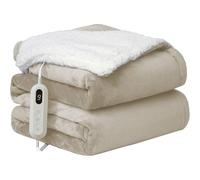
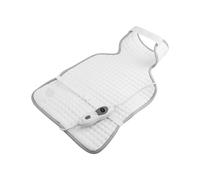
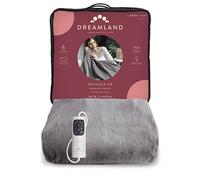
An electric blanket is one of the most energy-efficient ways to stay warm at night: it heats the bed rather than the whole room. Modern blankets have multiple heat settings, timers and automatic safety cut-outs; some integrate with mattress and duvet layered systems. Pros: low running cost, quick warmth, ideal for saving on central heating overnight. Cons: limited to bed use, requires sensible care and correct storage to preserve wiring and safety. Typical use: bedrooms for pre-heating or overnight comfort. During sales target models with clear safety certifications and multi-year warranties.


Helpful tip — Estimate running costs
Use this simple formula to compare likely running costs: cost = power (kW) × hours used × electricity price (per kWh). Example: a 2 kW heater running 5 hours at £0.35/kWh costs 2 × 5 × 0.35 = £3.50. Always check your current tariff and consider timers, thermostats and insulation to reduce total cost.
Winter Sale shopping tips
During Winter Sale 2026 compare like-for-like features (power, controls, safety) rather than just price. Look for bundled deals (heater + thermostat), free returns, extended warranties and verified seller ratings. If possible, time purchases early in the sale for best stock or later for extra markdowns — use price trackers and alerts to know when an item reaches your target price.
Quick checklist before you buy
- ✓ Match heater type to room size and use (spot heating vs whole-room).
- ✓ Check power rating (W/kW) and calculate likely running cost using your tariff.
- ✓ Look for thermostat, timer and eco modes to save energy.
- ✓ Verify safety features: tip-over cut-out, overheat protection and relevant certifications.
- ✓ For bathrooms or outdoor-covered areas, check IP rating and manufacturer guidance.
- ✓ Consider portability, weight and installation needs (wall-mount vs freestanding).
- ✓ Read warranty, returns policy and seller reviews — important during sales.
Want to explore current deals? Check the offer blocks above for each product type and read our other Winter Sale 2026 guides for deeper buying advice, insulation tips and budget-friendly heating strategies.
Note: This text was created with the help of AI.
Related topics
How well did the information meet your expectations and assist you further?
 Not at all

 Neutral

 Very much