
Fanola Color Mask Colored Hair Mask pigmented hair coloring mask 200 ml, Pink Sugar
£6.34
Glamot.com
Delivery from £8.82

aunts & uncles Grandma's Luxury Club Mrs. Sugar Pop shoulder bag leather 13 cm brown
£89.95
bags.co.uk
Delivery from £4.95
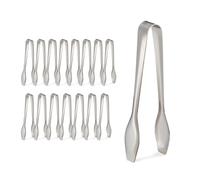
Relaxdays Sugar Tongs Set of 16
£43.10
relaxdays.co.uk
Free Delivery

aunts & uncles Grandma's Luxury Club Mrs. Sugar Pop shoulder bag leather 13 cm black
£89.95
bags.co.uk
Delivery from £4.95
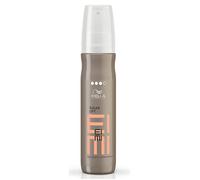
Wella Professionals EIMI Sugar Lift spray for voluminous texture 150 ml
£7.02
Glamot.com
Delivery from £8.82
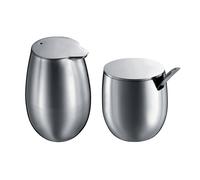
£26.90
nordicnest.com (UK)
Delivery from £9.90
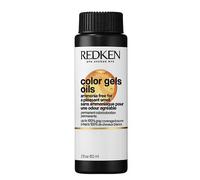
Redken Color Gels Oils permanent hair color without ammonia 60 ml, 8G Almond Sugar
£15.49
Glamot.com
Delivery from £8.82

£58.82
einrichten-design.co.uk
Delivery from £20.00
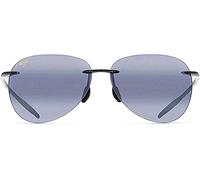
£96.32
Amazon-marketplace.co.uk
Free Delivery

£52.90
nordicnest.com (UK)
Delivery from £9.90
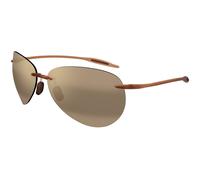
£109.00
vistaexpert.it/en/
Delivery from £5.99

£58.50
nordicnest.com (UK)
Delivery from £9.90
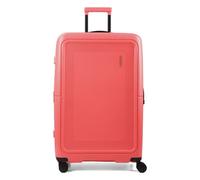
£68.57
bags.co.uk
Delivery from £4.95
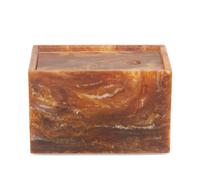
£25.00
endclothing.com/gb
Delivery from £6.99
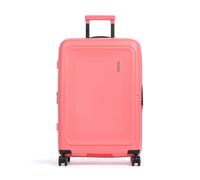
£62.75
wardow.com (UK)
Free Delivery

Compressport - Men's trail/running T-shirt - Trail Hz Ls Tshirt M Sugar/Shadow Lime for Men in Wool - Size M - Green Green M
£112.90
snowleader.co.uk
Delivery from £11.99
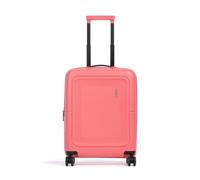
£54.60
wardow.com (UK)
Free Delivery
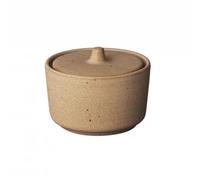
blomus Kumi sugar bowl Ø8.5 cm Fungi
£16.00
nordicnest.com (UK)
Delivery from £9.90
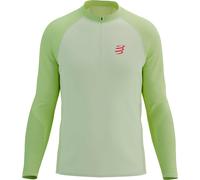
Compressport - Men's trail/running T-shirt - Trail Hz Ls Tshirt M Sugar/Shadow Lime for Men in Wool - Size S - Green Green S
£112.90
snowleader.co.uk
Delivery from £11.99
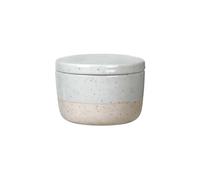
blomus Sablo sugar bowl Cloud
£16.00
nordicnest.com (UK)
Delivery from £9.90

£132.01
sabina.com/en
Delivery from £0.00
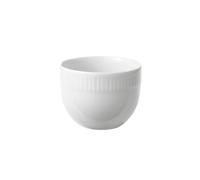
Aida Relief sugar bowl white
£9.90
nordicnest.com (UK)
Delivery from £9.90

£125.00
beautytheshop.com (UK)
Free Delivery

£20.75
Luxplus.co.uk
Delivery from £4.95

£91.33
sabina.com/en
Delivery from £0.00

£10.00
salontotal.co.uk
Delivery from £7.60
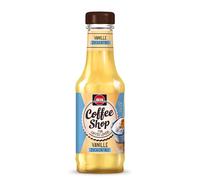
Coffee Shop | Sugar Free Vanilla - 20 offee Shop
£2.49
kaffek.co.uk
Delivery from £3.99

£27.99
GBP 27.99 / Unit
ebay.co.uk
Free Delivery
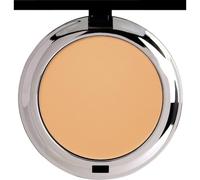
£27.33
£3,003.00 / 1 kg
parfumdreams.co.uk
Delivery from £3.95
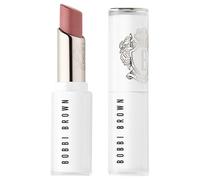
£27.09
parfumdreams.co.uk
Delivery from £3.95

£23.66
parfumdreams.co.uk
Delivery from £3.95
£19.11
parfumdreams.co.uk
Delivery from £3.95

£2.01
£2.01 / 1 pcs.
parfumdreams.co.uk
Delivery from £3.95
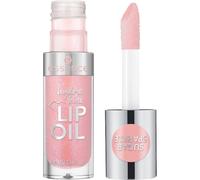
£2.63
parfumdreams.co.uk
Delivery from £3.95
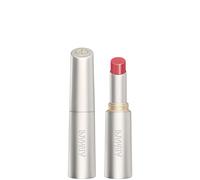
£35.00
Lookfantastic.com (UK)
Free Delivery

Umage Audacious Side Table Oak/Sugar Brown
£415.00
andlight.co.uk
Free Delivery
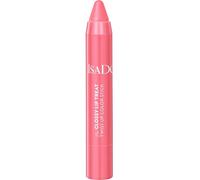
£12.31
parfumdreams.co.uk
Delivery from £3.95

Umage A Conversation Piece Dining Chair Oak/Sugar Brown
£552.00
andlight.co.uk
Free Delivery
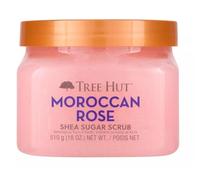
£12.41
carethy.co.uk
Delivery from £4.99

Stelton - Theo Sugar Bowl, Black - Black
£29.00
royaldesign.co.uk
Delivery from £9.00
- 1
- 2
- 3
- 4
- 5
- next page
🤖 Ask ChatGPT
🛍️ What are the most important purchase criteria?
💰 Tell me the best deals!
📋 Create a short summary!
Informations about "sugar"
Compare 142,775 offers for your search.
Pricehunter was able to locate products in 17 categories, ranging from £0.01 to £9,999.00.
About "sugar"
- In total, Pricehunter was able to locate 15 offers, from providers such as parfumdreams.co.uk, secretsales.com (UK), andlight.co.uk and hollandandbarrett.com.
- After having chosen your supplier you may also choose the delivery company. 15 delivery companies are available Relaxdays, Alessi, Maui Jim and Wella being the most popular.
- The most offers (7,207) were found in the price range from £7.00 to £7.99.
- Customers who looked for this item also found interesting.
- With our extensive colour palette you can select your favourite colour for your article. Of the available 1,612 shades Brown is the most frequently chosen.
Sugar
Sugar is made from sugar beets or sugar cane. When sugar is made with sugar beets, they are cut into small pieces in a factory, mixed with water and boiled. This process produces a dark, thick syrup, which is repeatedly brought to a boil and cleaned. This is done until the remaining water has evaporated. In this way, the dark, thick syrup is turned into light brown cane sugar.
The light brown cane sugar is then purified further and further until only snow-white crystals remain.
The production of sugar with sugar cane proceeds in a similar way. Here too, the cane sugar stalks are first crushed and then boiled until all the water has evaporated. The syrup, which is also thick, is then used to make sugar, just as in the other process.
The light brown cane sugar is then purified further and further until only snow-white crystals remain.
The production of sugar with sugar cane proceeds in a similar way. Here too, the cane sugar stalks are first crushed and then boiled until all the water has evaporated. The syrup, which is also thick, is then used to make sugar, just as in the other process.
Basically, sugar is divided into two types: Single sugar and double sugar. In addition, there is also the multiple sugar, which is, however, rather to be called starch.
The following table shows you the different types of sugar and their properties:
Types of sugar and their properties
Type of sugar
Properties
Household sugar / sucrose
is produced from sugar cane or sugar beet
also called factory or industrial sugar, because it is highly purified
Dual sugar, because it consists of one molecule of glucose and one molecule of fructose.
Whole cane sugar
less processed than white sugar
less purified than brown sugar
contains vitamins and mineral salts from natural sugar cane
Brown sugar / cane sugar
not healthier than white sugar
is only less purified
White sugar
Household sugar of inferior quality
contrary to the name, not pure white, but inexpensive
better known as lump sugar
Fructose / fruit sugar
occurs in sweet fruits
as a simple sugar it is a component of many sugar compounds
also contained in household sugar
is still used as a sugar substitute in diet and diabetic foods
has the greatest sweetening power of all simple sugars
Milk sugar / lactose
only found in dairy products and breast milk
consists of glucose and mucilage sugar (galactose)
is industrially extracted from whey
has a mild laxative effect
promotes the healthy development of the intestinal flora in infants
Dextrose / Glucose / Dextrose
natural sugar
occurs in sweet fruits and honey
is immediately absorbed into the bloodstream during digestion
serves as an energy source for athletes
Inulin
natural polysaccharide
made up of fructose
Artichokes contain particularly high levels of inulin
is used in the diet of diabetics
Invert sugar
is produced by the dissolution (inversion) of household sugar
contains glucose and fructose
Corn sugar / corn syrup
is made from corn starch
similarities to invert sugar
is used in the beverage industry and in fruit preservation
Sorbitol / Sorbitol / Glucitol
occurs in fruits (plums, apricots, dates, apples, raisins)
is converted to fructose in your body
has a laxative effect
sugar substitute as sweetener and humectant
is often found in products labelled "sugar-free" as well as in toothpastes and medicines
is also used as a diabetic product
Malt sugar
occurs in germinating grain
less sweet than cane sugar
is used in the production of beer and malt sweets
Molasses
dark syrup
liquorice-like taste
the last waste product from sugar cane and sugar beet
contains minerals and trace elements
Isomaltulose
consists of glucose and fructose
very similar to household sugar
natural component of honey and sugar cane extract
but is also produced industrially and added to sweets, drinks and sports foods
can only be metabolized slowly
well suited for diabetics
The following table shows you the different types of sugar and their properties:
Types of sugar and their properties
Type of sugar
Properties
Household sugar / sucrose
is produced from sugar cane or sugar beet
also called factory or industrial sugar, because it is highly purified
Dual sugar, because it consists of one molecule of glucose and one molecule of fructose.
Whole cane sugar
less processed than white sugar
less purified than brown sugar
contains vitamins and mineral salts from natural sugar cane
Brown sugar / cane sugar
not healthier than white sugar
is only less purified
White sugar
Household sugar of inferior quality
contrary to the name, not pure white, but inexpensive
better known as lump sugar
Fructose / fruit sugar
occurs in sweet fruits
as a simple sugar it is a component of many sugar compounds
also contained in household sugar
is still used as a sugar substitute in diet and diabetic foods
has the greatest sweetening power of all simple sugars
Milk sugar / lactose
only found in dairy products and breast milk
consists of glucose and mucilage sugar (galactose)
is industrially extracted from whey
has a mild laxative effect
promotes the healthy development of the intestinal flora in infants
Dextrose / Glucose / Dextrose
natural sugar
occurs in sweet fruits and honey
is immediately absorbed into the bloodstream during digestion
serves as an energy source for athletes
Inulin
natural polysaccharide
made up of fructose
Artichokes contain particularly high levels of inulin
is used in the diet of diabetics
Invert sugar
is produced by the dissolution (inversion) of household sugar
contains glucose and fructose
Corn sugar / corn syrup
is made from corn starch
similarities to invert sugar
is used in the beverage industry and in fruit preservation
Sorbitol / Sorbitol / Glucitol
occurs in fruits (plums, apricots, dates, apples, raisins)
is converted to fructose in your body
has a laxative effect
sugar substitute as sweetener and humectant
is often found in products labelled "sugar-free" as well as in toothpastes and medicines
is also used as a diabetic product
Malt sugar
occurs in germinating grain
less sweet than cane sugar
is used in the production of beer and malt sweets
Molasses
dark syrup
liquorice-like taste
the last waste product from sugar cane and sugar beet
contains minerals and trace elements
Isomaltulose
consists of glucose and fructose
very similar to household sugar
natural component of honey and sugar cane extract
but is also produced industrially and added to sweets, drinks and sports foods
can only be metabolized slowly
well suited for diabetics
Sugar, which occurs naturally in fruits and vegetables or is found as carbohydrates in potatoes or rice, is basically considered healthy - or rather: basically not harmful to your body.
There are also so-called sugar substitutes that are considered "healthy sugar". These include, for example, sorbitol, mannitol, maltitol, xylitol, isomalt and stevia.
These sugar substitutes are usually obtained from natural raw materials and belong to the carbohydrates. They have a great advantage: they are not as sweet as the usual household sugar, so you can set up a healthy diet plan with them.
In addition, these sugar substitutes do not cause tooth decay and are therefore harmless to your teeth.
There are also so-called sugar substitutes that are considered "healthy sugar". These include, for example, sorbitol, mannitol, maltitol, xylitol, isomalt and stevia.
These sugar substitutes are usually obtained from natural raw materials and belong to the carbohydrates. They have a great advantage: they are not as sweet as the usual household sugar, so you can set up a healthy diet plan with them.
In addition, these sugar substitutes do not cause tooth decay and are therefore harmless to your teeth.
Sugar serves as fuel for your body. It needs large amounts of energy to cope with the daily stresses and strains you put on it.
You need sugar, more specifically glucose, to breathe, think and run. Glucose is the most important source of energy because your brain alone burns about 130 to 140 grams of glucose every day.
But that doesn't mean you should overfeed your body with refined table sugar or sweets. This would only cause it harm. Your body can also make its own glucose by breaking down glucose from polysaccharides (starches) in your gut. This starch is often found in vegetables, cereals, pasta or bread.
You need sugar, more specifically glucose, to breathe, think and run. Glucose is the most important source of energy because your brain alone burns about 130 to 140 grams of glucose every day.
But that doesn't mean you should overfeed your body with refined table sugar or sweets. This would only cause it harm. Your body can also make its own glucose by breaking down glucose from polysaccharides (starches) in your gut. This starch is often found in vegetables, cereals, pasta or bread.
Eating too much sugar can lead to tooth decay, overweight and obesity. As a result, the likelihood of high blood pressure, stroke, heart attack and type 2 diabetes increases.
Soft drinks are a very high risk factor. Eating them increases your total sugar intake and they don't cause you to eat less solid food. The result is often one or more of the diseases listed above.
Soft drinks are a very high risk factor. Eating them increases your total sugar intake and they don't cause you to eat less solid food. The result is often one or more of the diseases listed above.
The World Health Organization (WHO) recommends that adults measure their daily free sugar intake against their calorie intake. Free sugars" are sugars that are added to foods or naturally present in honey, fruit juices or syrups.
In plain English, this means:
Women who consume circa 1,800 kilocalories per day should reduce their free sugar intake to 45 grams per day (about five teaspoons).
Men with a daily requirement of around 2,400 kilocalories should reduce the free sugar content to 60 grams per day (around six teaspoons).
The WHO has not yet made any recommendations for non-free sugars, which occur in fruit and vegetables as well as milk and dairy products.
In plain English, this means:
Women who consume circa 1,800 kilocalories per day should reduce their free sugar intake to 45 grams per day (about five teaspoons).
Men with a daily requirement of around 2,400 kilocalories should reduce the free sugar content to 60 grams per day (around six teaspoons).
The WHO has not yet made any recommendations for non-free sugars, which occur in fruit and vegetables as well as milk and dairy products.
Sugar usually has four functions: Sweetener, baking ingredient, seasoning, and preservative.
Sugar is a good flavour carrier, which is why you can use it to sweeten food without any problems. It also enhances the flavour of some foods, such as stewed fruit.
Sugar is also a baking ingredient and is used in many cake recipes, not only as a sweetener but also to influence the consistency.
In addition to these common functions, sugar is also a seasoning or preservative. Salty dishes, for example, can be rounded off with a pinch of sugar.
Sugar also has an almost unlimited shelf life, making it a great way to preserve food. When you add sugar to food, it reduces the growth of mould and rot. For this reason, sugar has been used for years in making jam or preserving fruit.
Sugar is also used in many other areas of food production, for example in yoghurt production and in the beverage industry.
Sugar is a good flavour carrier, which is why you can use it to sweeten food without any problems. It also enhances the flavour of some foods, such as stewed fruit.
Sugar is also a baking ingredient and is used in many cake recipes, not only as a sweetener but also to influence the consistency.
In addition to these common functions, sugar is also a seasoning or preservative. Salty dishes, for example, can be rounded off with a pinch of sugar.
Sugar also has an almost unlimited shelf life, making it a great way to preserve food. When you add sugar to food, it reduces the growth of mould and rot. For this reason, sugar has been used for years in making jam or preserving fruit.
Sugar is also used in many other areas of food production, for example in yoghurt production and in the beverage industry.
Basically, this process is not that hard, it just needs a lot of attention. So I'm providing you with a step-by-step guide on how to go about it.
Step-by-step instructions on how to caramelize sugar:
Step 1: Take a pot or pan and lightly sprinkle the bottom with sugar. Ideally, the cookware should be non-coated, dry and grease-free. Now spread the sugar around. Either spread it lightly or swirl the pan until all the sugar crystals evenly cover the bottom.
Step 2: Now heat the pan over medium heat and wait for the sugar to slowly liquefy and brown. It is imperative that this process takes place without stirring the sugar, otherwise it will caramelize unevenly and possibly burn.
Step 3: You absolutely must not let the caramelizing sugar out of your sight. Watch it closely to see when it takes on the ideal golden brown tone. There is only a fine line of a few seconds to a minute between when sugar is completely liquefied and when it burns.
Step 4: Once the moment of perfect shade has arrived, either add more ingredients or take the cookware off the stove and put the bottom in cold water to stop the cooking process as soon as possible.
Step-by-step instructions on how to caramelize sugar:
Step 1: Take a pot or pan and lightly sprinkle the bottom with sugar. Ideally, the cookware should be non-coated, dry and grease-free. Now spread the sugar around. Either spread it lightly or swirl the pan until all the sugar crystals evenly cover the bottom.
Step 2: Now heat the pan over medium heat and wait for the sugar to slowly liquefy and brown. It is imperative that this process takes place without stirring the sugar, otherwise it will caramelize unevenly and possibly burn.
Step 3: You absolutely must not let the caramelizing sugar out of your sight. Watch it closely to see when it takes on the ideal golden brown tone. There is only a fine line of a few seconds to a minute between when sugar is completely liquefied and when it burns.
Step 4: Once the moment of perfect shade has arrived, either add more ingredients or take the cookware off the stove and put the bottom in cold water to stop the cooking process as soon as possible.
There are various alternatives available to you. This is especially important for you if you suffer from diabetes. The best known sugar alternatives are probably agave syrup, maple syrup, honey, sugar beet syrup and stevia.
In addition, there are other sugar alternatives, which I do not want to deprive you of course.
The following table shows the sugar alternatives and their properties:
Sugar alternatives and their properties
Sugar alternatives
Properties
Agave syrup
originates from Mexico
indigenous people used the juice as food or medicine
nowadays it is used to sweeten desserts, muesli, yoghurts, drinks or jams
contains a lot of fructose
causes the blood sugar level to rise
diabetics should be careful with agave syrup
Maple syrup
contains calcium, iron, phosphorus, potassium and protein
has more minerals than honey
you can use it for cooking and baking, for example for soups, sauces or salad dressings
100 grams of maple syrup replace 130 grams of household sugar
Honey
has almost as many calories as sugar
but contains many antioxidants, such as vitamins B and C, potassium, calcium, iron and magnesium
ideal to refine dishes with it
Allergy sufferers should be careful, as many types of honey contain pollen.
Sugar Beet Syrup
best known sugar alternative
for seasoning dressings, yoghurt, quark and soups
can also be used for baking
100 grams of sugar beet syrup cover five percent of your daily requirement of phosphorus, potassium and magnesium and 15 percent of your daily requirement of iron.
Stevia
hardly any calories
not harmful for your teeth
no influence on the insulin level
300 times stronger sweetening power than sugar
slightly bitter taste
is used in mueslis, yoghurts, drinks, chocolates and other sweets
Palm sugar / coconut blossom sugar
is made from the sap of the palm flower
tastes like caramel
contains iron, calcium, potassium, zinc and numerous antioxidants and amino acids
is slowly broken down by the body, so that your blood sugar level does not rise abruptly
Rice syrup
mild taste with a slightly nutty caramel note
contains no fructose
well suited for people with a fructose intolerance
low sweetening power
well suited for sweetening drinks and desserts
can also be used for baking
Birch sugar
contains about 40 percent fewer calories than household sugar
reduces the development of caries
high consumption has a laxative effect and leads to flatulence
Beet Syrup
contains about 60 percent sugar and many minerals, such as magnesium and iron
sweet-caramel taste
is often used as a spread
In addition, there are other sugar alternatives, which I do not want to deprive you of course.
The following table shows the sugar alternatives and their properties:
Sugar alternatives and their properties
Sugar alternatives
Properties
Agave syrup
originates from Mexico
indigenous people used the juice as food or medicine
nowadays it is used to sweeten desserts, muesli, yoghurts, drinks or jams
contains a lot of fructose
causes the blood sugar level to rise
diabetics should be careful with agave syrup
Maple syrup
contains calcium, iron, phosphorus, potassium and protein
has more minerals than honey
you can use it for cooking and baking, for example for soups, sauces or salad dressings
100 grams of maple syrup replace 130 grams of household sugar
Honey
has almost as many calories as sugar
but contains many antioxidants, such as vitamins B and C, potassium, calcium, iron and magnesium
ideal to refine dishes with it
Allergy sufferers should be careful, as many types of honey contain pollen.
Sugar Beet Syrup
best known sugar alternative
for seasoning dressings, yoghurt, quark and soups
can also be used for baking
100 grams of sugar beet syrup cover five percent of your daily requirement of phosphorus, potassium and magnesium and 15 percent of your daily requirement of iron.
Stevia
hardly any calories
not harmful for your teeth
no influence on the insulin level
300 times stronger sweetening power than sugar
slightly bitter taste
is used in mueslis, yoghurts, drinks, chocolates and other sweets
Palm sugar / coconut blossom sugar
is made from the sap of the palm flower
tastes like caramel
contains iron, calcium, potassium, zinc and numerous antioxidants and amino acids
is slowly broken down by the body, so that your blood sugar level does not rise abruptly
Rice syrup
mild taste with a slightly nutty caramel note
contains no fructose
well suited for people with a fructose intolerance
low sweetening power
well suited for sweetening drinks and desserts
can also be used for baking
Birch sugar
contains about 40 percent fewer calories than household sugar
reduces the development of caries
high consumption has a laxative effect and leads to flatulence
Beet Syrup
contains about 60 percent sugar and many minerals, such as magnesium and iron
sweet-caramel taste
is often used as a spread
How well did the information meet your expectations and assist you further?
 Not at all

 Neutral

 Very much
Don't forget your voucher code:
Report Illegal Concerns
You are about to report a violation based on the EU Digital Services Act (DSA).