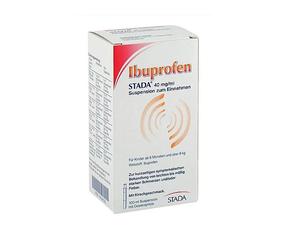
Ibuprofen STADA 40mg/ml
£6.20
german-pharmacy24.com(UK)
Delivery from £17.00
PRK postoperative pain with codeine phosphate 30 mg/paracetamol: Randomized clinical trial
£44.27
Amazon-marketplace.co.uk
Free Delivery
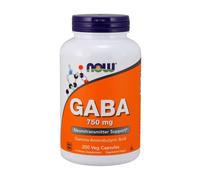
GABA, 750mg - 200 vcaps
£28.65
onbuy.com
Delivery from £5.00
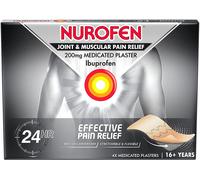
Nurofen Joint & Muscular Pain Relief 200mg Medicated 4 Plasters
£11.98
GBP 11.98 / Unit
ebay.co.uk
Free Delivery

Buscopan, Targets the Source of Belly Pain, Cramps & Discomfort, Starts to Work in 15 Minutes, 60 Tablets, Relief from IBS Stomach Pain, Cramps & Discomfort
£9.42
Amazon-marketplace.co.uk
Free Delivery

Prof. Dr. med. Migräne Doc: Migräne und Kopfschmerzen verstehen. Wi (Paperback)
£26.12
ebay.co.uk
Free Delivery

Buscopan, Targets the Source of Belly Pain, Cramps & Discomfort, Starts to work in 15 minutes, 40 Tablets, Relief from Stomach Pain, Cramps & Discomfort
£7.65
0.19 GBP/1.0 count
Amazon-marketplace.co.uk
Delivery from £4.49

Nuromol Pain Relief Ibuprofen and Paracetamol Tablets, 12 Pack, Migraine Relief, Headache Relief, Joint, Period, Flu Tablets, Powerful Painkillers, Paracetamol, Pain and Fever
£4.00
0.33 GBP/1.0 count
amazon.co.uk
Delivery from £4.49
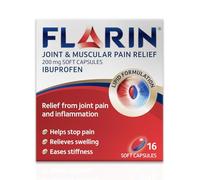
Flarin Joint and Muscular Pain Relief, 200 mg Soft Capsules, Muscle, Rheumatic, Joint and Back Pain Relief, Lipid Ibuprofen, Unique Lipid Formulation, Painkillers, 16 Soft Capsules
£6.95
0.43 GBP/1.0 count
amazon.co.uk
Delivery from £4.49
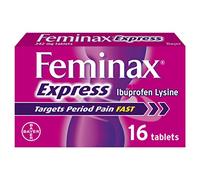
Feminax Express with Ibuprofen and Lysine - 342 mg x 16 Tablets
£4.50
0.28 GBP/1.0 count
amazon.co.uk
Delivery from £4.49

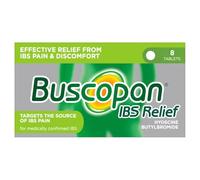
Buscopan IBS Relief Targets The Source of IBS Pain and Cramps, Starts to Work in 15 Minutes, 100 Tablets, Relief from IBS Pain & Discomfort, 100 Count
£16.44
Amazon-marketplace.co.uk
Free Delivery

Nurofen 200mg Ibuprofen Patches - Pack Of 2 For Knee, Period, Muscle, Bone & Joint Discomfort, 24H Pain Relief
£8.35
4.18 GBP/1.0 count
amazon.co.uk
Delivery from £4.49

Calpol Sugar-Free Infant Suspension Paracetamol Sachets (12 x 5ml), Calpol Sachets with Strawberry Flavour Paracetamol for Fever & Pain Relief, Suitable for 2+ Months Babies & Kids
£5.58
0.46 GBP/1.0 count
amazon.co.uk
Delivery from £2.99
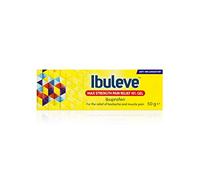
Ibuleve Max Strength Pain Relief 10% Ibuprofen Gel, Maximum Anti-Inflammatory Relief for Joint Pain, Sprains, Backache, Muscular Pains and Sports Injuries, 50 g
£8.86
Amazon-marketplace.co.uk
Free Delivery

Nurofen for Children 3 months - 9 years Ibuprofen Oral Suspension Strawberry 100ml - wilko
£3.29
32.9 GBP/1.0 l
amazon.co.uk
Delivery from £4.49

Buscopan, Targets the Source of Belly Pain, Cramps & Discomfort, Starts to work in 15 minutes, 20 Tablets, Relief from Stomach Pain, Cramps & Discomfort
£5.72
0.29 GBP/1.0 count
Amazon-marketplace.co.uk
Delivery from £4.49
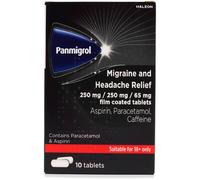
Panmigrol Migraine and Headache Relief 250mg/250mg/65mg 10 Tablets
£3.49
medino.com
Delivery from £3.50

Qnoon Migraine Relief Cap, Headache Relief Cap Mask Products, Cooling Odorless Gel Ice Head Wrap for Tension, Stress,Hangover & Puffy Eyes
£32.29
Amazon-marketplace.co.uk
Free Delivery
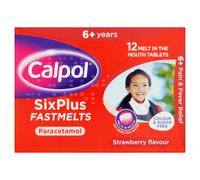
Calpol Paracetamol Fastmelts SixPlus 250 mg Orodispersible Strawberry – 12 Tablets
£4.79
Pharmacy2u.co.uk
Delivery from £2.99
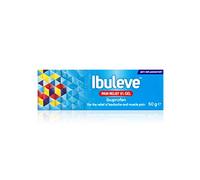
Ibuleve Pain Relief 5% Ibuprofen Gel, Clinically Proven, Anti-Inflammatory Relief for Joint Pain, Sprains, Backache, Muscular Pains and Sports Injuries, 50g
£6.75
135.0 GBP/1.0 kg
amazon.co.uk
Delivery from £4.49
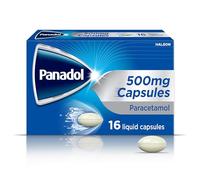
Panadol Paracetamol 500mg Liquid Capsules, Targeted Pain Relief for Headache, Back Pain, Cold and Flu, Aches or Fever, Dental Pain, Period Pain, Rapidly Absorbed, 16s
£4.70
0.29 GBP/1.0 count
amazon.co.uk
Delivery from £1.99
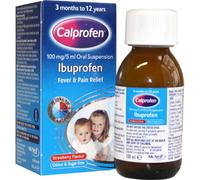
Calpol Calprofen Ibuprofen Oral Suspension 3+ Months Sugar-Free Strawberry 100ml
£3.99
Expresschemist.co.uk
Delivery from £3.32

Nurofen 200mg Pain Patches - 4 Pack For Knee, Period, Muscle, Bone & Joint Discomfort, Ibuprofen 24H Relief Solution
£9.99
2.5 GBP/1.0 count
Amazon-marketplace.co.uk
Free Delivery
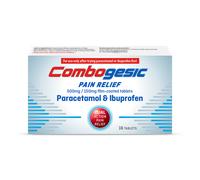
Combogesic Dual Action Paracetamol Ibuprofen Pain Relief Tablets, 16 Count - Strong Painkillers for Headache, Migraine, Period, Toothache and Back Pain, Cold and Flu Symptoms
£3.56
hollandandbarrett.com
Delivery from £3.49

Panadol Period Pain Tablets, Contain 500mg Paracetamol Tablets with 65mg Caffeine, Pain Relief for Menstrual Cramps, Headache and Lower Backache, 16s.
£3.45
0.22 GBP/1.0 count
amazon.co.uk
Delivery from £4.49
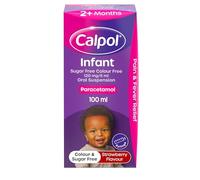
Calpol Infant Oral Suspension - Paracetamol 120 mg/5 ml, Sugar & Colour Free, Strawberry, 100 ml
£3.00
30.0 GBP/1.0 l
amazon.co.uk
Delivery from £4.49

Nuromol Dual Action Pain Relief Ibuprofen & Paracetamol Tablets 200mg/500mg 16s
£4.76
0.3 GBP/1.0 count
amazon.co.uk
Delivery from £4.49

Calpol Sugar-Free Infant Suspension Paracetamol (1 x 100ml), Strawberry Flavour CalpolInfant with Paracetamol for Fever & Pain Relief, Suitable for 2+ Months Babies & Kids
£3.19
31.9 GBP/1.0 l
amazon.co.uk
Delivery from £4.49

Migrastick Forte - Roll-On Headache 2 ml
£23.99
Amazon-marketplace.co.uk
Free Delivery



Nurofen Ibuprofen 10% Gel 40g - Maximum Strength Pain Relief For Achilles Tendonitis, Muscles, Back - Anti-Inflammatory Treatment For Bones And Joint Discomfort
£7.89
197.25 GBP/1.0 kg
amazon.co.uk
Delivery from £4.49
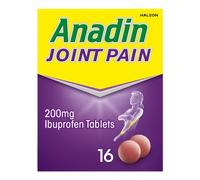
Anadin Joint Pain Relief Tablets, Ibuprofen Tablets - Pack of 16
£2.18
0.14 GBP/1.0 count
amazon.co.uk
Delivery from £4.49

Nurofen Ibuprofen Caplets 256mg, 16 Pack - Joint, Back, Knee Pain Relief, Long-Lasting Painkillers for Cold & Flu, Over-The-Counter Medication
£4.00
0.25 GBP/1.0 count
amazon.co.uk
Delivery from £4.49
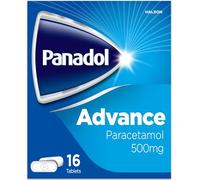
Panadol Advance Painkillers, 500mg Paracetamol Tablets, Pain Relief for Migraines, Headaches, Backache, Period Pain and Toothache, Pack of 16
£2.00
0.12 GBP/1.0 count
amazon.co.uk
Delivery from £4.49
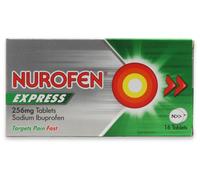
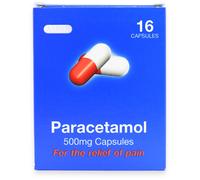
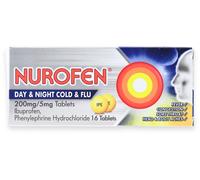
Nurofen Day & Night Cold & Flu 200mg EXPIRY OCTOBER 2024 16 Tablets
£5.19
medino.com
Delivery from £3.50
- 1
- 2
- 3
- 4
- 5
- next page
🤖 Ask ChatGPT
🛍️ What are the most important purchase criteria?
💰 Tell me the best deals!
📋 Create a short summary!
Informations about "painkillers"
Having searched the market for the cheapest buy prices, 947 offers were found for comparison.
Furthermore, a large number of offers in 43 relevant categories with a price range from £0.32 to £890.00 were found.
About "painkillers"
- Overall, our search showed 15 different mail order companies for your product "painkillers", including Amazon-marketplace.co.uk, amazon.co.uk, onbuy.com and medino.com.
- After having chosen your companies you may also choose the delivery company. 14 delivery brands are available Nurofen, Generic Sports, Numark and Calpol being the most popular.
- The most offers (87) were found in the price range from £5.00 to £5.99.
- Furthermore, other users were also interested in the following product: .
- Personalise your product by choosing one of the 10 shades.
Painkillers
Messenger substances are involved in the transmission of pain to your brain. The basis of the messenger substances are amino acids, which you take in with your food and which reach your brain in small amounts. This is where painkillers come in and inhibit the production of the messenger substances. As a result, pain pills work by relieving pain, inhibiting inflammation, and lowering fever.
Generally, a distinction is made between non-opioid and opioid painkillers. You can find more information on this under "Non-opioid and opioid painkillers".
Generally, a distinction is made between non-opioid and opioid painkillers. You can find more information on this under "Non-opioid and opioid painkillers".
Depending on gender, body weight, age and other physical characteristics, the amount of painkillers can vary, so you should always ask a doctor for advice. The recommended dosage for adults in self-medication is these values:
Painkillers
Single dose
maximum daily dose
ASS (acetylsalicylic acid)
500 to 1000 milligram
3000 milligram
Ibuprofen
200 to 400 milligram
1200 milligram
Diclofenac
12.5 to 25 milligram
75 milligram
Paracetamol
500 to 1000 milligram
3000 milligram
Naproxen
200 to 500 milligram
600 to 750 milligram
The breakdown into milligrams is more useful here than prescribing a number of tablets. For example, you have already reached the dose of 1200 milligrams of ibuprofen if you take two ibuprofen 600 or three Ibu 400 tablets a day.
You should not exceed these dosage recommendations without consulting your doctor. Even slight overdoses can leave permanent damage in your body and lead to an increased risk of heart attack.
Painkillers
Single dose
maximum daily dose
ASS (acetylsalicylic acid)
500 to 1000 milligram
3000 milligram
Ibuprofen
200 to 400 milligram
1200 milligram
Diclofenac
12.5 to 25 milligram
75 milligram
Paracetamol
500 to 1000 milligram
3000 milligram
Naproxen
200 to 500 milligram
600 to 750 milligram
The breakdown into milligrams is more useful here than prescribing a number of tablets. For example, you have already reached the dose of 1200 milligrams of ibuprofen if you take two ibuprofen 600 or three Ibu 400 tablets a day.
You should not exceed these dosage recommendations without consulting your doctor. Even slight overdoses can leave permanent damage in your body and lead to an increased risk of heart attack.
This depends on the painkiller and the person taking it. Most tablets reach their maximum effect after about one to two hours.
If you need pain relief as quickly as possible, you're best off with remedies in liquid form. Effervescent tablets, granules or soft capsules can start working in as little as 20 minutes.
How quickly painkillers take effect depends on a number of factors. A full stomach slows down the effect of the medication and thus the pain relief. Interaction with other medicines can also affect the effect of the tablets. In a petite person, the active substance finds its way into the bloodstream more quickly than in an overweight person.
If you need pain relief as quickly as possible, you're best off with remedies in liquid form. Effervescent tablets, granules or soft capsules can start working in as little as 20 minutes.
How quickly painkillers take effect depends on a number of factors. A full stomach slows down the effect of the medication and thus the pain relief. Interaction with other medicines can also affect the effect of the tablets. In a petite person, the active substance finds its way into the bloodstream more quickly than in an overweight person.
This depends on the painkiller and different factors. The effect of a tablet usually lasts between four and six hours, but this varies from person to person. Experts therefore recommend that there should be at least a six hour break between each dose.
If you take painkillers with food, you delay the onset of action, but the duration of action is usually the same. Again, this varies depending on the physical characteristics of the person taking the painkiller.
If you take painkillers with food, you delay the onset of action, but the duration of action is usually the same. Again, this varies depending on the physical characteristics of the person taking the painkiller.
Most painkillers should be taken for a maximum of three to seven days in a row. After this period, you should stop taking painkillers and take a break. In general, experts recommend a maximum of ten days per month. Taking painkillers too often can have far-reaching side effects and harmful consequences.
Experts therefore recommend that you keep the duration and dosage of painkillers to a minimum and, if necessary, use other medicines prescribed by your doctor.
If possible, you should combat discomfort primarily with non-drug methods such as physiotherapy, heat, cold, massage or exercise training. Get to the bottom of your pain, because you should never take painkillers for weeks without consulting a doctor.
Experts therefore recommend that you keep the duration and dosage of painkillers to a minimum and, if necessary, use other medicines prescribed by your doctor.
If possible, you should combat discomfort primarily with non-drug methods such as physiotherapy, heat, cold, massage or exercise training. Get to the bottom of your pain, because you should never take painkillers for weeks without consulting a doctor.
You should be aware that painkillers with higher doses are not always available over the counter. For example, ibuprofen requires a prescription at a dose of 600 milligrams per tablet and diclofenac at a tablet dose of 50 milligrams. Acetylsalicylic acid is generally available over-the-counter, but there is a limit to the amount you can buy at the pharmacy at one time.
As a general rule, you should always take the smallest possible dosage and only take the medicine for as long as is absolutely necessary. If there is no improvement after two days, you must consult a doctor in any case, in order not to endanger your health and to exclude serious diseases.
As a general rule, you should always take the smallest possible dosage and only take the medicine for as long as is absolutely necessary. If there is no improvement after two days, you must consult a doctor in any case, in order not to endanger your health and to exclude serious diseases.
Painkillers and alcohol are a dangerous combination that you should avoid, as both substances affect the liver through toxic breakdown products. If your liver is struggling with both at the same time, the breakdown slows down and the liver toxins damage your organ all the longer, so that even poisoning is possible.
So-called flush reactions can also occur, in which nausea, sweating and heart palpitations can take place. Even small amounts of alcohol in combination with painkillers can lead to severely impaired perception, which is particularly dangerous in road traffic.
However, the time interval is decisive, because the more hours there are between painkillers and alcohol, the lower the risk of harmful side effects. However, everyone needs different amounts of time to metabolise alcohol and painkillers, depending on their age, weight and gender.
If you do not want to take any risks, wait with the glass of wine until the next day and ask your doctor or pharmacist if you are unsure.
So-called flush reactions can also occur, in which nausea, sweating and heart palpitations can take place. Even small amounts of alcohol in combination with painkillers can lead to severely impaired perception, which is particularly dangerous in road traffic.
However, the time interval is decisive, because the more hours there are between painkillers and alcohol, the lower the risk of harmful side effects. However, everyone needs different amounts of time to metabolise alcohol and painkillers, depending on their age, weight and gender.
If you do not want to take any risks, wait with the glass of wine until the next day and ask your doctor or pharmacist if you are unsure.
Pregnant women should not choose the remedy, dosage and duration of intake independently and should first consult their gynaecologist. As a guide, these three common active ingredients:
Paracetamol: For acute pain or fever, you are most likely to take the active ingredient paracetamol as a pregnant woman. Used responsibly, it is not considered to be dangerous for mother and child. You should take it for as short a time as possible and in the lowest effective dose.
Ibuprofen: If you need a painkiller and anti-inflammatory from the group of NSAIDs (non-steroidal anti-inflammatory drugs), ibuprofen is the best choice. You should not take ibuprofen after the 28th week of pregnancy, as it can cause heart and kidney problems in your baby.
Acetylsalicylic acid (ASA): As a pregnant woman, you should avoid this substance. From the 28th week of pregnancy, you are no longer allowed to use ASA as a painkiller or fever reducer.
Basically, you should relieve pain during pregnancy as long as possible with alternative measures.
Paracetamol: For acute pain or fever, you are most likely to take the active ingredient paracetamol as a pregnant woman. Used responsibly, it is not considered to be dangerous for mother and child. You should take it for as short a time as possible and in the lowest effective dose.
Ibuprofen: If you need a painkiller and anti-inflammatory from the group of NSAIDs (non-steroidal anti-inflammatory drugs), ibuprofen is the best choice. You should not take ibuprofen after the 28th week of pregnancy, as it can cause heart and kidney problems in your baby.
Acetylsalicylic acid (ASA): As a pregnant woman, you should avoid this substance. From the 28th week of pregnancy, you are no longer allowed to use ASA as a painkiller or fever reducer.
Basically, you should relieve pain during pregnancy as long as possible with alternative measures.
How well did the information meet your expectations and assist you further?
 Not at all

 Neutral

 Very much
Don't forget your voucher code:
Report Illegal Concerns
You are about to report a violation based on the EU Digital Services Act (DSA).